Plan a Trip to Italy: Route, Budget & Digital Planner
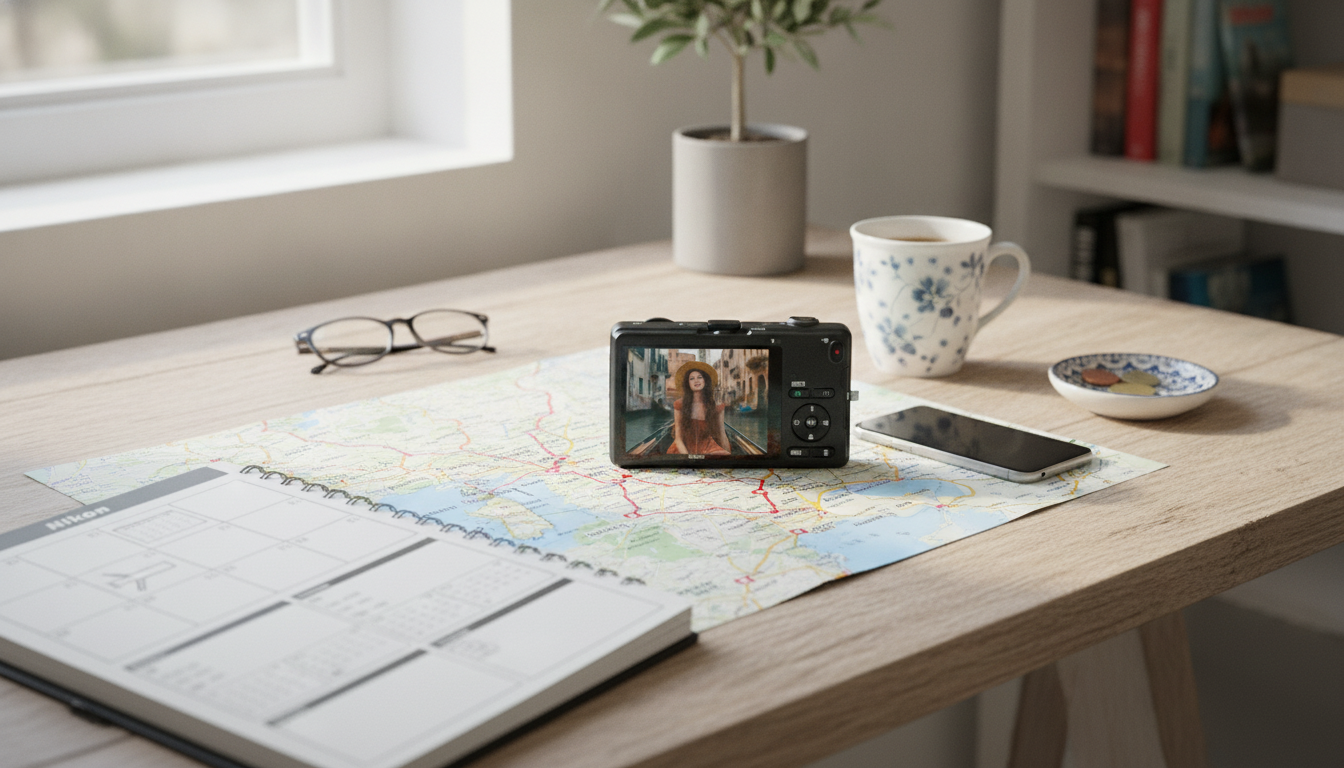
Planning the Perfect Italian Adventure: A Step-by-Step Digital Travel Planner
A well-planned Italy trip balances must-see highlights with breathing room for slow meals, spontaneous gelato stops, and neighborhood wandering. Use this step-by-step framework to choose the right regions, build a route that makes sense on a map, lock in key reservations, and keep every detail organized in one place. For more guidance, see How to Plan a Trip to Italy: The Complete Step-by-Step Guide.
Step 1: Choose the right travel window and trip style
Start by picking a season that matches what you actually want to do. Shoulder months can feel calmer and more walkable, summer is built for beach towns and festivals, and winter often shines in big cities with cozy evenings and holiday markets. For further reading, see How to Plan a Trip to Italy: A Pro’s Guide – Roaming Historian.
- Pick a season based on priorities: shoulder months for fewer crowds, summer for beach time, winter for cities and festive markets.
- Decide the trip pace: a one-region deep dive means less transit; a multi-city highlights run means more movement.
- Align activities with weather: coastal days and hikes benefit from longer daylight; museums and food tours work year-round.
- Set a realistic daily rhythm: early starts for major sights, midday breaks, and late dinners in many areas.
Quick season guide for planning
| Season | Best for | Trade-offs | Planning notes |
|---|---|---|---|
| Spring (Mar–May) | Cities, gardens, comfortable walking | Easter crowds in popular destinations | Book key museums and trains early around holidays |
| Summer (Jun–Aug) | Beaches, festivals, long days | Heat and peak prices in major hubs | Prioritize early entry tickets and mid-day rest blocks |
| Fall (Sep–Nov) | Harvest food, wine regions, mild temps | Rain increases later in the season | Reserve tastings and agriturismi for weekends |
| Winter (Dec–Feb) | Lower crowds in many cities, ski trips, festive markets | Shorter days; some coastal towns slow down | Check reduced hours and seasonal closures |
For seasonal event calendars and regional ideas, the official tourism portal is a reliable starting point: Italia.it.
Step 2: Build a route that minimizes backtracking
Italy rewards smart geography. The goal is to create a route that flows in one direction, with a few well-chosen bases that unlock nearby day trips. A clean map beats an overloaded checklist every time.
- Start with 1–3 anchor locations (for example: Rome, Florence, Venice; or Milan + Lake Como + Cinque Terre).
- Group stops by geography: pair nearby towns as day trips rather than changing hotels every night.
- Use train-friendly corridors for efficiency; add a car mainly for countryside loops and small villages.
- Plan travel days deliberately: avoid stacking big museum days on the same day as long transfers.
- Aim for 3–4 nights in each base when possible to reduce fatigue.
When you’re sketching travel time, check real schedules rather than estimates. High-speed and regional options are easy to compare on Trenitalia.
Step 3: Set a budget that matches real costs
A practical budget makes planning faster because it narrows choices: which neighborhoods, which experiences, and how many “big ticket” days fit without stress.
- Split your budget into fixed costs (flights, hotels, trains, major tickets) and flexible costs (meals, taxis, shopping).
- Estimate lodging by neighborhood, not just city—central stays can cut transit time and costs.
- Include reservation-heavy experiences: popular museums, Vatican visits, iconic viewpoints, and special dinners.
- Add a buffer for tourist taxes, checked bags, airport transfers, and last-minute changes.
- Decide where to splurge: one memorable hotel, a guided day trip, or a standout regional meal.
If travel is a motivation to tighten up monthly payments before you book, consider a structured finance reset like How to Escape a Car Loan You Can’t Afford – Step-by-Step Ebook Guide to free up cash flow for the trip.
Step 4: Lock in the essentials in the right order
Reservations are less overwhelming when you book them in a sequence that stabilizes your itinerary. The trick is to lock what’s scarce first and keep everything else flexible.
- Book flights once dates are set; then reserve refundable lodging options to anchor the route.
- Confirm your rail strategy next: high-speed routes between major cities; regional trains for day trips; car only where it truly helps.
- Reserve timed-entry attractions as soon as the itinerary is stable—many top sites sell out.
- Schedule tours and special experiences around fixed tickets, not the other way around.
- Keep cancellation policies and deadlines in one place for quick adjustments.
Step 5: Design a day-by-day plan that still feels flexible
Step 6: Prepare travel documents, connectivity, and on-the-ground logistics
A simple way to keep everything organized in one place
If you want a ready-to-use structure made for building an Italy trip step-by-step, Your Smart Guide to Planning the Perfect Italian Adventure | Digital Travel Planner keeps your route, reservations, and daily flow in one streamlined place.
FAQ
How many days are enough for a first trip to Italy?
Seven days is enough for two cities plus a day trip or two if you keep transfers minimal. Ten days supports a classic three-stop loop at a relaxed pace, and 14 days is ideal for adding a region (like Tuscany or the Amalfi Coast) without rushing.
Is it better to travel by train or rent a car in Italy?
Trains are usually best for major cities and the high-speed corridors because they avoid parking and traffic. A rental car is most useful for rural areas and small villages, but factor in ZTL zones, parking fees, and one-way drop-off costs.
When should museums and attractions be booked?
Book as soon as your dates and city order are firm, especially for timed-entry sites and weekends or holiday periods. Keep cancellation terms and deadlines alongside your confirmations so you can pivot quickly if plans change.















Leave a comment