Herbal Tea Stress-Relief Checklist: 10-Min Calm Ritual
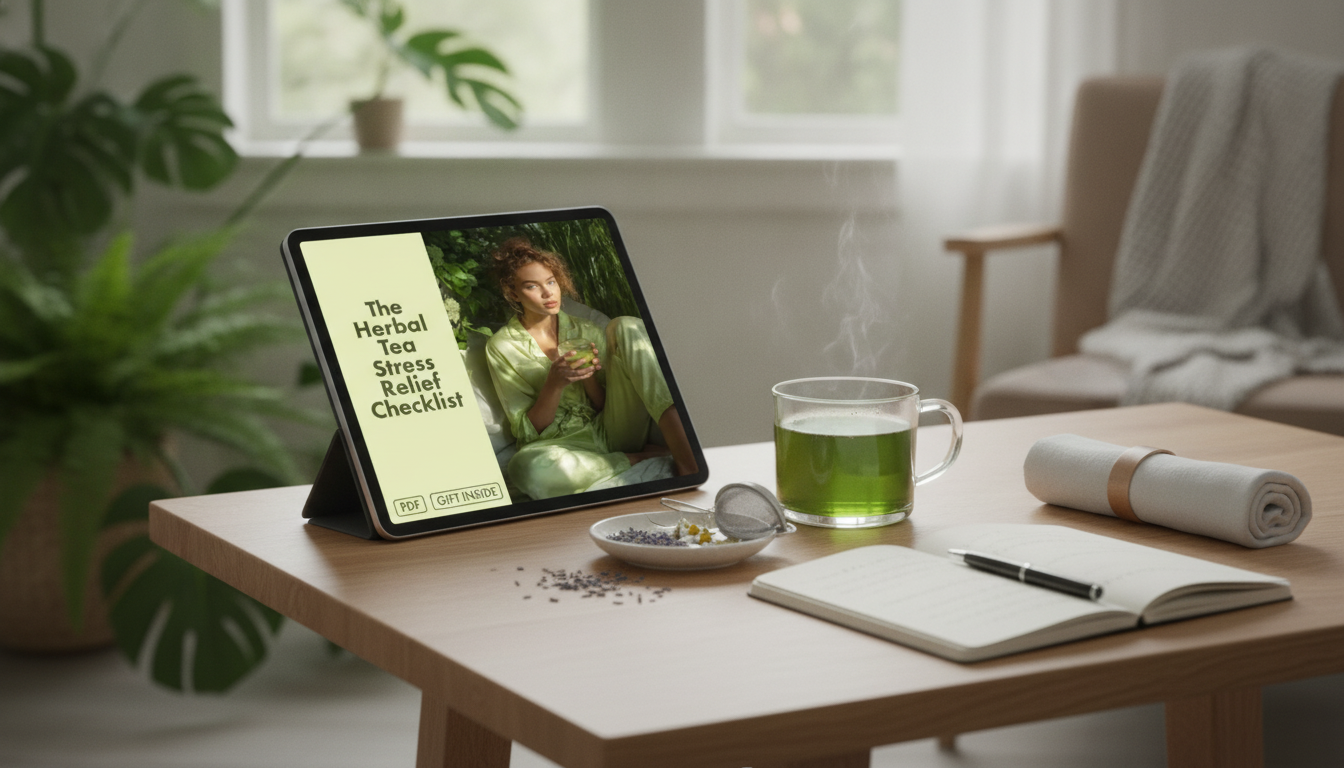
The Herbal Tea Stress Relief Checklist: A Calm Tea-Time Ritual You Can Repeat
A simple cup of herbal tea can become a steady anchor in a busy day—especially when it’s paired with a small, repeatable ritual. A checklist approach keeps the process gentle and doable: set the mood, choose herbs with care, brew in a way that preserves aroma and comfort, and give yourself a short window to land back in your body. Over time, the repetition itself becomes a signal that it’s safe to soften your shoulders, slow your breathing, and reset.
Why a Checklist Helps When Stress Feels Scattered
When stress is high, even “self-care” can feel like another decision to make. A checklist is useful because it reduces decision fatigue by turning “What should be calming?” into a few easy steps. The same sequence—same mug, same spot, same steeping routine—creates a consistent cue for the nervous system, like a familiar off-ramp from the day.
It also encourages small wins. Even a 7–10 minute ritual can feel complete when it has a beginning (set the scene), middle (brew and sip), and end (a closing cue). And because it’s repeatable, it becomes easier to track what actually works for you: time of day, tea choice, how strong you brew it, your setting, and how you feel afterward.
Set the Scene: A 3-Minute Pre-Tea Reset
Before the tea even hits the mug, use the water-heating time as a short transition. Pick a “tea spot” and keep it consistent—one chair, one corner, or even the same spot at your desk. Then lower stimulation: silence nonessential notifications, dim overhead lighting if possible, and choose one sensory comfort (a blanket, a warm mug, soft music, or a window view).
While the water heats, take six slow breaths with a longer exhale than inhale. This small change (lengthening the exhale) is a practical way to signal “downshift,” especially when the mind feels loud.
Quick environment checklist
| Step | Option A | Option B | Why it helps |
|---|---|---|---|
| Lighting | Lamp / warm bulb | Daylight near a window | Signals “wind down” to the brain |
| Sound | Silence | Soft instrumental | Reduces vigilance and mental noise |
| Scent (optional) | Tea aroma only | Single-note scent (lavender, citrus) | Pairs relaxation with a consistent cue |
| Body comfort | Feet on floor | Wrapped in a shawl/blanket | Improves sense of safety and ease |
Choose the Right Herbal Tea for the Moment (Not Just the Mood)
Different moments call for different kinds of support. For evening unwinding, many people reach for gentle, non-stimulating options like chamomile or lemon balm. For tension that shows up in the body, peppermint can feel soothing—though it can feel a bit sharp late at night for some. For a “busy mind,” lavender blends may feel settling, but flavor matters: if you don’t enjoy the taste, the ritual becomes harder to repeat.
If you’re sensitive to herbs, prone to allergies, pregnant, breastfeeding, or taking medications, consider starting with a simple, single-herb tea and reviewing cautions first. Authoritative overviews can help you get oriented, such as the National Center for Complementary and Integrative Health (NCCIH) — Herbs at a Glance and MedlinePlus — Herbal Medicine. For chamomile specifically, see NCCIH — Chamomile.
Brew for Calm: Small Tweaks That Change the Experience
Brewing is where a cup of “fine” tea becomes a cup that actually feels soothing. Water temperature matters: boiling water can overwhelm delicate herbs, and very hot water can intensify bitterness in some blends. If your tea tastes harsh, try letting boiled water sit for a minute before pouring.
Steep time matters too. Too short can feel weak and unsatisfying; too long can turn medicinal. Aim for the “pleasant zone” where aroma is present and flavor is round. A simple upgrade: use a covered mug while steeping to keep aromatic compounds in the cup instead of drifting into the air. Then let the first sip be slow—treat it like a transition moment, not a multitasking beverage.
Mindful Tea Time: A 10-Minute Calm Ritual
Make It Stick: Personalize the Checklist to Your Real Life
Gentle Safety Notes for Herbal Tea
Printable Support: A Simple Checklist to Keep the Ritual Easy
When motivation is low, a ready-to-use checklist can do the heavy lifting—turning calming intentions into a repeatable routine for evening wind-down, a midday reset, or a screen-free break. For a flexible, keep-it-simple guide you can revisit anytime, see The Herbal Tea Stress Relief Checklist (digital download).
And if stress shows up in family moments too, a second printable can complement your calm practice by offering quick, supportive options during emotional transitions: 10 Loving Ways to Comfort Your Child When They Miss a Parent (printable checklist).
FAQ
Which herbal tea is best for stress relief at night?
Many people prefer gentle options like chamomile or lemon balm for nighttime because they’re commonly used for winding down and aren’t typically stimulating. Personal response varies, so start with a small amount and avoid anything that aggravates allergies or reflux. If you’re pregnant, breastfeeding, or taking medications, review safety cautions or ask a clinician first.
How long should a calming tea ritual take to be effective?
A micro ritual can take 3–5 minutes, while a fuller reset often takes 10–15 minutes; consistency matters more than length. A quick version can be: silence notifications, take six slow breaths while steeping, then drink the first few sips with full attention. Repeating the same steps trains your body to recognize the cue and settle faster over time.
Can herbal tea interact with medications?
Yes. Some herbs can interact with medications, including sedatives and blood thinners, and extra caution is needed during pregnancy or breastfeeding. When you’re unsure, choose single-ingredient teas and check with a clinician or pharmacist before making an herb a daily habit.














Leave a comment