Natural vs Synthetic Brooms: Which Is Better for You?
Are natural brooms better?
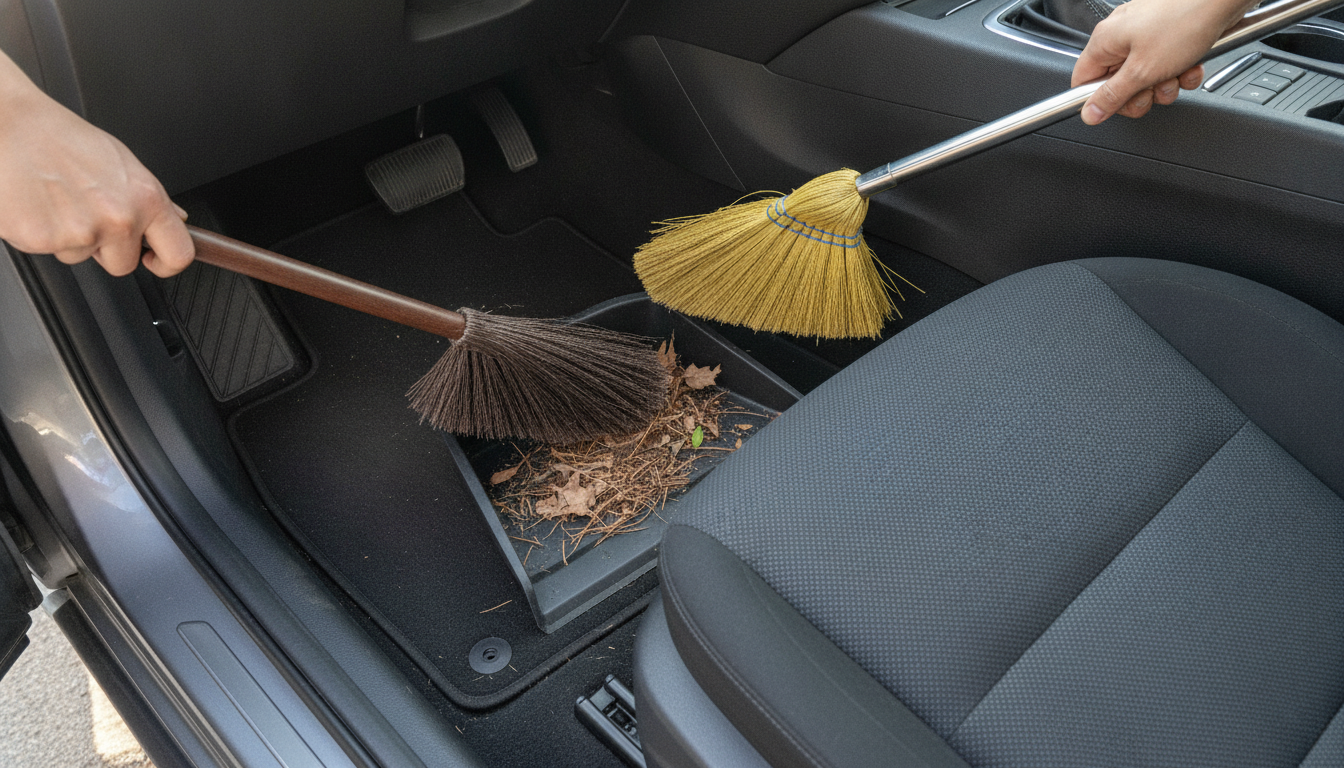
Natural brooms can be better, but only when they match the mess, the surface, and how often the broom is used. Compared with many synthetic options, natural-fiber brooms often feel smoother in the hand, collect fine dust efficiently, and offer a more traditional sweeping experience—especially for quick, frequent cleanups.
What makes a broom “natural”?
Natural brooms typically use plant-based fibers (such as palm) for the bristles and may pair them with wood handles or stitched construction. The bristle texture is usually slightly grippy, which can help gather debris without scattering it across the surface.
When natural brooms tend to outperform synthetic ones
For light debris and dust—like crumbs on a desktop, grit near an entryway, or dry spills in a kitchen—natural fibers can sweep with fewer passes because they “grab” particles instead of skimming over them. Many natural bristles also hold their shape well during short daily resets, making them a strong choice for quick cleanups in small spaces.
If the broom is being kept in a visible spot (office, kitchen corner, craft table), natural materials often look more at home and less utilitarian, which can make it more likely to be used consistently.
When a natural broom may not be the best pick
Natural fibers can be more sensitive to moisture. If the broom is regularly used on wet messes, stored in a damp area, or rinsed often, bristles may soften or wear faster. For heavy outdoor debris, thick pet hair buildup, or gritty concrete sweeping, a purpose-built synthetic shop broom may last longer and feel more aggressive.
How to choose the “better” broom for your space
Start with the surface and the mess size. For routine, small-area cleaning, a natural palm-style broom can be a satisfying, efficient tool. For a deeper look at how natural palm bristles behave in quick desk resets—and how to use them effectively—see the full guide here: https://auristara.com/guide-natural-palm-desktop-broom-quick-desk-resets/.
FAQ
How do you maintain a natural bristle broom?
Shake it out after use, store it bristles-up or hanging to prevent bending, and keep it away from prolonged moisture. If dust builds up, comb the bristles gently or tap them outdoors to release trapped debris.













Leave a comment