Extra Thick Yoga Mat: Non-Slip Grip + Carry Strap Tips
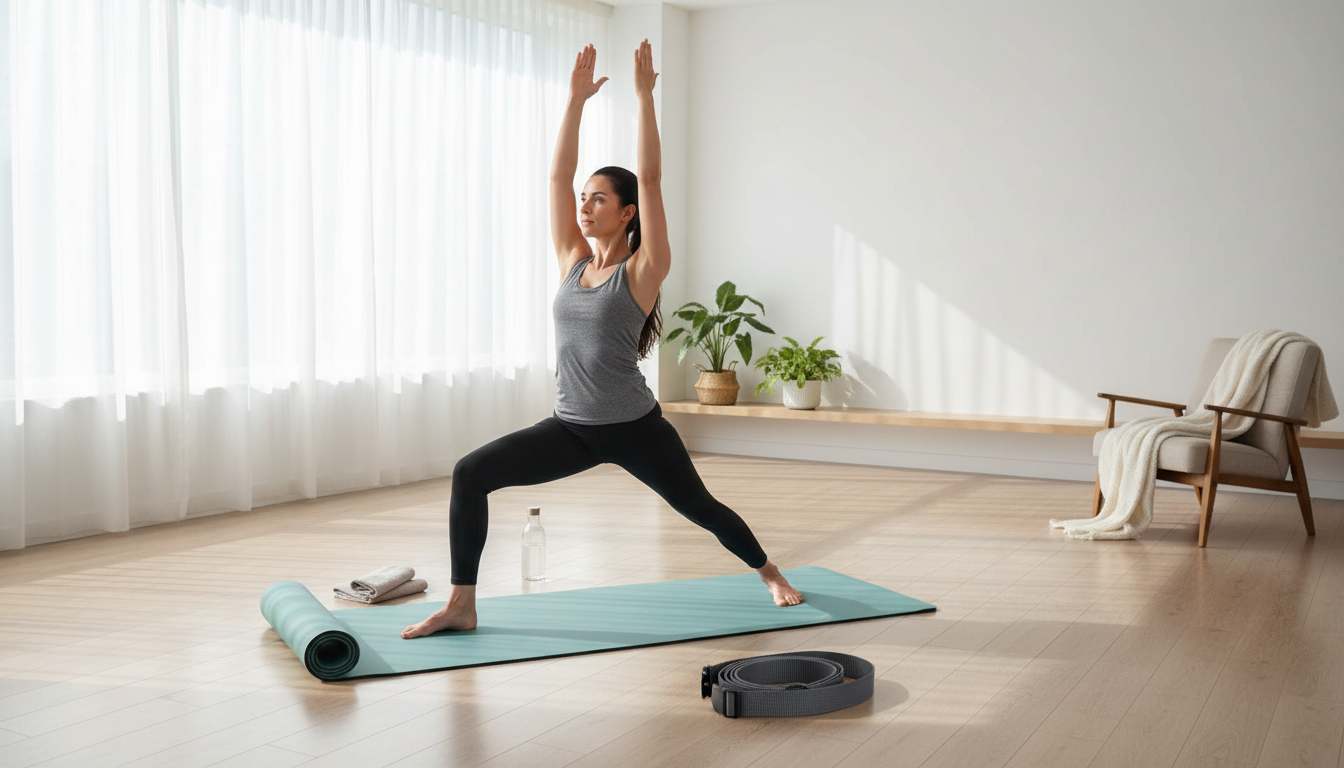
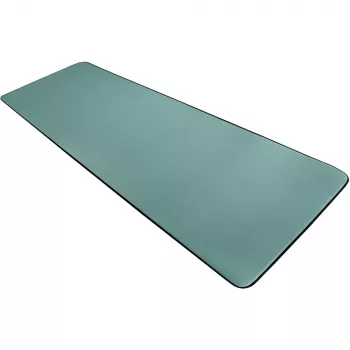
Extra Thick Yoga Mat with Skid-Resistant Surface and Carry Strap for Exercise
An extra thick mat can make floor work noticeably more comfortable, while a skid-resistant surface helps maintain footing during transitions. Whether you’re moving through yoga flows, building core strength with Pilates, or mixing in bodyweight circuits, the right mat can change how steady and supported each rep feels. Below is a practical guide to what to look for, how to use a thicker mat without feeling wobbly, and simple care steps that help grip hold up over time.
Why extra thickness changes the workout feel
Thickness is the first thing most people notice—especially on hard floors. A plusher mat acts like a buffer between you and the ground, which can make consistency easier when you’re training frequently.
- Helps reduce pressure on knees, wrists, elbows, hips, and tailbone during kneeling and seated poses.
- Adds cushioning for Pilates-style core work and floor-based strength sessions (glute bridges, dead bugs, planks).
- Can improve comfort on hard surfaces like tile or concrete; on carpet, extra thickness may feel softer but slightly less stable.
- Balance-focused poses may require slower setup and stronger foot engagement due to added give.
If you’re rebuilding a routine or increasing weekly sessions, comfort matters because it can reduce the urge to rush through positions just to get off the floor. General activity guidance from the CDC can help you map out a sustainable weekly plan—and a comfortable setup supports that consistency.
Skid-resistant surface: where it matters most
Grip is about more than “not sliding.” It’s about feeling secure when your hands and feet are loaded—like when you shift forward into plank, step into a lunge, or hold a warrior variation.
- Supports steadier hands in downward-dog/plank sequences and steadier feet in lunges and warrior holds.
- Helps reduce mat migration on smooth floors; pairing with a clean floor improves grip consistency.
- Grip can vary with moisture—wiping hands, using a towel, or practicing in a cooler space can help during sweaty sessions.
- Textured surfaces may feel more secure for strength circuits, while still being comfortable for stretching.
One underrated factor is the floor itself: fine dust can act like tiny ball bearings under a mat. If you notice drifting on wood or tile, wipe the floor quickly and let it dry, then roll the mat out fully flat so it can “settle” before you start.
Carry strap convenience for daily routines
A carry strap seems simple, but it can be the difference between “I’ll do it later” and “I’ll do it now.” When a mat is easy to transport and store, it naturally fits into more days of the week.
- Makes it easier to take the mat to the gym, studio, office, or outdoors without needing a separate bag.
- Encourages consistent training by reducing setup friction—grab, go, and unroll.
- Helpful for storage: keep it rolled and strapped to maintain a tidy space and protect the surface from dust.
- Strap fit is best when the mat is rolled evenly and not over-compressed.
For people doing short flexibility sessions between tasks, “ready to go” storage is a real advantage. The American College of Sports Medicine (ACSM) highlights flexibility as a key fitness component; a mat that’s easy to access helps those sessions actually happen.
Quick spec checklist: match the mat to the workout
Use the checklist below to match features to how you train most often. A thicker mat usually means more comfort, but you’ll get the best experience by pairing thickness with the right surface feel and a size that lets you move freely.
| Workout type | What to prioritize | Practical tip |
|---|---|---|
| Yoga flows | Grip under hands/feet + stable rolling | Wipe the surface before practice for more consistent traction |
| Pilates & core | Extra cushioning + comfort on spine/hips | Use controlled reps to avoid sinking too much into thicker foam |
| HIIT / strength circuits | Skid resistance + enough thickness for burpees/planks | Place on a clean, flat surface to reduce shifting |
| Stretching & mobility | Cushioning + space to move | Roll out fully flat and let it settle a minute before deep holds |
How to use an extra thick mat for better stability
Care, cleaning, and storage for long-lasting grip
Product spotlight: Extra Thick Yoga Mat with Skid-Resistant Surface and Carry Strap
If you want one mat that covers comfort, traction, and easy transport, the Extra Thick Yoga Mat with Skid-Resistant Surface and Carry Strap for Exercise is built for day-to-day training. It’s designed to add comfort for floor-based movement while supporting traction during holds and transitions, and the included strap makes commuting and compact storage simpler.
More in-stock picks
- How to Escape a Car Loan You Can’t Afford – Step-by-Step Ebook Guide
- 10 Loving Ways to Comfort Your Child When They Miss a Parent (Printable Checklist)
- AI Insights for a Healthier Cat: Ultimate eBook Guide
FAQ
Is an extra thick mat good for beginners?
Yes—extra cushioning can make kneeling, seated poses, and wrist-loaded positions more comfortable, which often builds confidence to practice more often. Just expect balance poses to feel softer; slow your transitions and engage your feet more actively for stability.
How do you keep a skid-resistant mat from slipping on tile or wood?
Clean and dry both the floor and the mat, then roll the mat out flat so it settles before you start. If sweat is a factor, wipe your hands or use a towel—dust and moisture are the most common reasons mats slide.
What is the best way to clean and store a yoga mat with a strap?
Wipe it down with mild soap and water (avoid harsh chemicals), then air-dry fully before rolling. Roll evenly and secure the strap without over-tightening, and store it away from direct sunlight and high heat.













Leave a comment