Lavender Wind-Down Checklist for Calm and Better Sleep
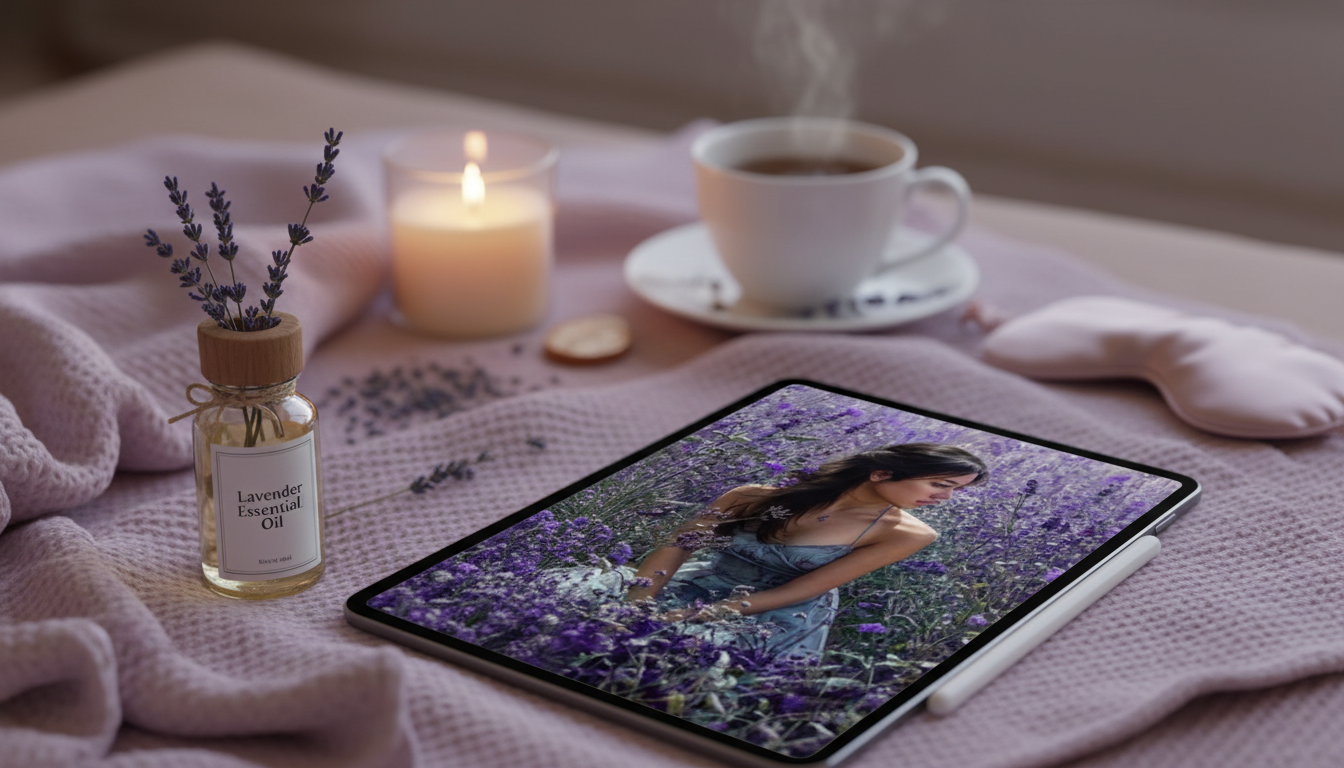
Lavender Bliss Relaxation Checklist: A Simple Routine for Stress Relief, Better Sleep, and Calm
A calm evening doesn’t have to rely on willpower alone. A checklist turns soothing habits into a repeatable routine—especially when paired with the familiar comfort of lavender essential oil. This digital download is designed to help set up a consistent wind-down, reduce mental clutter, and make relaxation easier to start and easier to keep.
What a relaxation checklist changes (and why it works on busy days)
When the day is full, even “simple self-care” can feel like one more thing to figure out. A relaxation checklist removes the guesswork and helps make calm feel more automatic.
- Reduces decision fatigue by turning “What should be done first?” into a clear sequence.
- Creates a predictable cue-to-calm pattern that can help your body associate certain steps with winding down.
- Supports consistency without perfection—checking off even a few steps still reinforces the habit.
- Encourages short, repeatable actions that fit real schedules rather than ideal routines.
Lavender often works well as the “cue” because it’s recognizable and easy to repeat: the same scent at the same time can become a gentle signal that the day is ending. For a balanced overview of aromatherapy, see the National Center for Complementary and Integrative Health (NCCIH) aromatherapy guide.
How to use the Lavender Bliss checklist (5–20 minutes, flexible pacing)
The routine is meant to flex with your energy level. Some nights call for a full wind-down; other nights need a fast reset that still helps your brain “close the tabs.”
- Choose a time window: a quick reset (5 minutes), standard wind-down (10–15 minutes), or full routine (20+ minutes).
- Start with one “signal” step (dim lights, silence notifications, or start a quiet playlist) to mark the transition.
- Add lavender in a safe, preferred method: diffuser, a diluted topical blend, or a lavender-scented linen routine.
- Follow the checklist in order, or pick 3–5 items that match the energy level for that day.
- End with a final anchor step (breathing, stretching, gratitude note, or a short body scan) to close the loop.
Pick a lavender method that matches the moment
| Method | Best for | Quick setup | Notes |
|---|---|---|---|
| Diffuser | Whole-room atmosphere | 1–2 minutes | Use per device instructions; ventilate if the scent feels too strong |
| Diluted topical use | Targeted calming ritual | 2–3 minutes | Patch test first; follow dilution guidance and avoid sensitive areas |
| Linen or pillow routine | Bedtime association | 1 minute | Avoid saturating fabrics; keep away from eyes and pets |
| Aromatherapy inhalation (gentle) | On-the-go reset | 30 seconds | Keep exposure brief; discontinue if headache or irritation occurs |
A ready-to-repeat evening wind-down (sample flow)
If you want a simple structure to follow tonight, use this flow as a starting point and adjust as needed. The goal is “repeatable,” not “perfect.”
- Step 1: Environmental reset (lights down, room tidied for 2 minutes, phone on Do Not Disturb).
- Step 2: Lavender cue (diffuser on or a brief linen refresh) paired with one slow exhale to begin shifting pace.
- Step 3: Body release (neck/shoulder stretch, gentle forward fold, or seated twists).
- Step 4: Mind unload (quick note of tomorrow’s top 1–3 tasks to prevent bedtime rumination).
- Step 5: Calm finish (4-7-8 breathing, progressive relaxation, or a short guided meditation).
- Optional: If waking at night is common, keep a “middle-of-the-night mini routine” ready (2 minutes of breathing + sip of water + low light).
If you’re curious about how lavender is commonly used for sleep routines, the Sleep Foundation’s overview of lavender for sleep summarizes practical use patterns and what people typically report (while noting that results can vary).
Lavender essential oil basics and safety notes
A calming routine should also be a comfortable one. Keep lavender use gentle, and prioritize safety—especially if you’re sensitive to fragrance.
For those who like to browse research summaries, a broad starting point is the NIH PubMed search results for lavender aromatherapy and sleep (study quality and results vary, so it helps to read with a practical, realistic lens).
What’s included in the digital download (and how to make it stick)
If you want the ready-made format, you can grab the Lavender Bliss Relaxation Checklist digital download and keep it as a reusable “reset button” whenever stress spikes or sleep routines drift.
Who it helps most
And if your household stress includes big emotions (especially at bedtime), pairing your own wind-down with a supportive parenting tool can help the whole evening feel steadier. The 10 Loving Ways to Comfort Your Child When They Miss a Parent checklist offers simple, gentle steps for those moments when a child needs extra reassurance.
Get the checklist and start tonight
FAQ
Can lavender essential oil help with sleep and relaxation?
Many people use lavender aromatherapy as part of a calming bedtime routine, and some research suggests it may support relaxation and sleep quality for certain individuals. Results vary, and the checklist is meant to support consistent habits rather than act as a medical treatment.
What’s the best way to use lavender essential oil before bed?
Common options include a diffuser for a light room scent, a properly diluted topical application as a short ritual, or a gentle linen/pillow routine. Start with a small amount, keep the scent subtle, and follow product directions and safety guidance.
Is this checklist better printed or used on a phone?
Printed copies are great for visibility and keeping screens out of the bedroom, while phone/tablet use is convenient for travel or a couch wind-down. The best choice is the one that feels easiest to access when you’re tired.














Leave a comment