Curly Hair Conditioner Checklist: Match Porosity & Curls
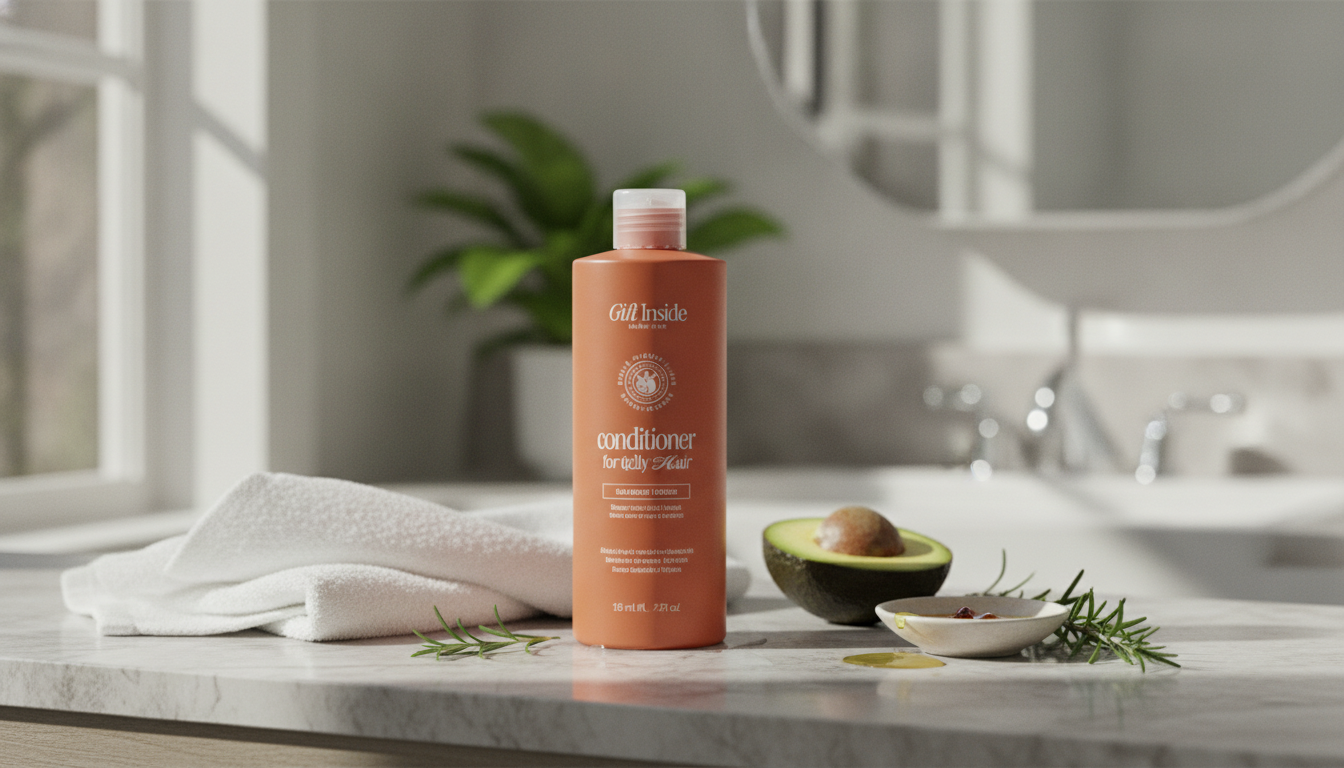
Choosing the Right Conditioner for Curly Hair: An Easy Care Checklist
Curly hair thrives when moisture, slip, and strength stay in balance. The right conditioner helps define curls, reduce breakage, and manage frizz without weighing hair down. Use the checklist below to match a conditioner to curl pattern, porosity, scalp needs, and styling habits—then adjust as seasons, color services, and humidity change. For more guidance, see The Best Hair Conditioners of 2026 | Reviews by Wirecutter.
Start with a quick curl profile (2 minutes)
- Curl pattern: wavy (2), curly (3), coily (4). Tighter patterns typically need richer conditioners and more frequent deep conditioning.
- Porosity: low (product sits on hair), medium (balanced), high (absorbs fast, dries fast). High-porosity hair often benefits from more film-formers and occasional protein.
- Strand thickness: fine strands get weighed down easily; coarse strands often tolerate heavier butters and oils.
- Density: low/medium/high affects how much product is needed, not necessarily what ingredients are best.
- Scalp type: oily or sensitive scalps do better with lighter formulas on roots; use richer conditioning mainly mid-lengths to ends.
Conditioner cheat sheet by curl needs
| Hair need | What to look for | What to use less of | How to apply |
|---|---|---|---|
| Dry, frizzy curls | Fatty alcohols (cetyl/stearyl), glycerin, panthenol, aloe, oils in moderation | Harsh cleansers in routine, heavy waxy buildup | Apply on soaking-wet hair; “squish” to encourage clumps |
| Fine curls that fall flat | Lightweight conditioners, good slip, polyquaterniums, rinse-friendly emollients | Heavy butters (shea/cocoa) and thick oils near roots | Use a smaller amount; focus ends; rinse more thoroughly |
| High-porosity or color-treated curls | Amino acids, hydrolyzed proteins (occasionally), ceramides, film-formers | Overusing protein (stiff feel) or high alcohol styling products | Alternate moisture-focused and strengthening sessions |
| Sensitive or flaky scalp | Fragrance-light options, soothing ingredients (oat, aloe), gentle detangling slip | Strong fragrances/essential oils if reactive | Condition lengths first; keep off scalp if it triggers itch |
Pick the right conditioner type for your routine
- Rinse-out conditioner: the everyday base for hydration, slip, and detangling. Choose lotion-light textures for fine strands and richer creams/butters for coarse or very dry ends.
- Co-wash (cleansing conditioner): helpful when shampoo feels too drying. It often works best for medium-to-dry scalps and looser to medium curl patterns, but plan to clarify periodically to prevent buildup.
- Deep conditioner/mask: a higher concentration of conditioning agents. Use weekly to monthly depending on dryness, heat styling, hard water, or color services.
- Leave-in conditioner: supports curl formation and reduces frizz. It’s a strong choice when curls feel rough right after rinsing or when styling needs extra slip.
- Protein treatment vs. protein-containing conditioner: treatments are stronger and used less often; protein-containing conditioners are milder and easier to rotate in based on feel.
Ingredient checklist: what helps curls (and what can cause problems)
- Slip + detangling: cetrimonium chloride, behentrimonium methosulfate, and polyquaterniums reduce friction and help prevent breakage during detangling.
- Moisture support: glycerin, propanediol, panthenol, and aloe can improve softness. In very humid climates, humectant-heavy formulas can be amazing—or can puff up frizz—so let your results guide you.
- Strength + resilience: hydrolyzed wheat/silk/keratin and amino acids can help weakened hair. Too much protein often shows up as stiffness and a straw-like feel.
- Emollients and sealants: fatty alcohols (cetyl/stearyl) and lightweight oils smooth and soften. Heavy butters and thick oils can be ideal for coily hair but may flatten fine curls.
- Build-up risk: heavier silicones and waxy ingredients can add shine and slip, but you may need clarifying when curls lose bounce or feel coated.
- Irritation watch-outs: fragrance, essential oils, and certain preservatives can trigger sensitive scalps. Patch-test if itching or flakes tend to flare up.
For general hair and scalp care guidance, see the American Academy of Dermatology Association hair care basics, and for breakage prevention tips, their guide on how to prevent hair breakage. If you’re researching ingredients for sensitivity concerns, the EWG Skin Deep database can be a helpful reference point. For further reading, see How to Choose the Right Conditioner for Curly Hair – Blu Atlas.
Match conditioner to porosity (the deciding factor for many curls)
How to apply conditioner for better curl definition
Easy curly hair care checklist (printable-style steps)
Common conditioner mistakes that make curls look worse
A quick guide to choosing a conditioner when shopping
Shop helpful digital guides
- Choosing the Right Conditioner for Curly Hair – Easy Curly Hair Care Checklist | What Conditioners Suit Curly Hair Guide
- AI Insights for a Healthier Cat: Ultimate eBook Guide for Cat Health Monitoring with AI Tools and Techniques
- How to Escape a Car Loan You Can’t Afford – Step-by-Step Ebook Guide on How to Get Out of a Car Loan You Can’t Afford, Fix Your Finances & Protect Your Credit
FAQ
Should curly hair use conditioner every day?
Daily conditioning helps some curl types, but many people do best conditioning on wash days and using a light leave-in (or diluted conditioner) to refresh between washes. Fine curls usually need lighter or less frequent conditioning to avoid buildup.
How do you know if a conditioner is too heavy for curls?
Common signs include limp roots, curls that won’t clump, a coated feel, and faster greasiness. Switching to a lighter formula, rinsing more thoroughly, or clarifying periodically often brings bounce back.
Do curly hair conditioners need protein?
Protein can help when hair is damaged, color-treated, or high-porosity, but too much may cause stiffness. Rotating protein and moisture based on how your hair feels tends to work better than using protein every time.












Leave a comment