Toddler Bedtime Routine That Sticks: 45-Min Plan + Fixes

Dreamy Nights: A Toddler Bedtime Routine That Actually Sticks
Toddlers crave predictability, but they also test boundaries—especially at bedtime. A calm, repeatable routine helps the body wind down, reduces power struggles, and builds the skills needed for falling asleep with less help. The goal isn’t perfection; it’s a steady rhythm that can flex for real life while still signaling: sleep is next.
What Makes Toddler Bedtime So Hard (and Normal)
If bedtime feels like a daily negotiation, you’re not alone. Many common sleep disruptions are developmentally expected—and temporary when met with consistent cues.
- Separation anxiety + big imagination: Nighttime can amplify worries, shadows, and “one more hug” requests.
- Learning control: Toddlers practice independence by saying “no,” bargaining, and inventing last-minute needs.
- Overtiredness can look wired: A “second wind,” silliness, or a meltdown may be the body’s stress response, not a sign they’re wide awake.
- Developmental leaps: Language bursts, potty training, new childcare, travel, or illness can temporarily shake up sleep patterns.
The Building Blocks of a Routine That Works
A routine “sticks” when it’s easy to repeat on your busiest nights. Think fewer steps, strong cues, and calm follow-through.
- Consistent start time: Aim for a predictable window so the body clock learns when to slow down.
- Simple sequence: Keep it to 5–7 steps max; fewer steps means fewer openings for stalling.
- Same order, same place: Repeating cues (wash, pajamas, books, lights) strengthens sleep associations.
- Connection before correction: A few minutes of warm attention early in the routine can reduce clinginess later.
- Clear boundary at lights-out: One calm script, repeated consistently, works better than lengthy explanations.
- Sleep-friendly environment: Dark, cool room; steady white noise if helpful; a comfort item if safe and age-appropriate.
For general sleep guidance and age-based expectations, the American Academy of Pediatrics’ sleep resources are a solid reference: Healthy Sleep Habits.
A Sample 45-Minute Toddler Bedtime Routine (Adjustable)
Use the timeline below as a template. Keep the order stable even if the timing shifts a bit from day to day.
- If bath is too stimulating, move it earlier or swap in a warm washcloth routine.
- If reading ramps up energy, choose calmer stories or shorten to one predictable title.
| Time | Step | Purpose | Parent Script (Short) |
|---|---|---|---|
| T-45 | Transition warning + tidy up | Reduces surprise and resistance | “In 5 minutes, it’s bedtime routine.” |
| T-40 | Bath or wash-up | Body temperature shift supports sleepiness | “Warm water, then pajamas.” |
| T-25 | Pajamas + toothbrush | Predictable self-care sequence | “Teeth, potty, pajamas—then books.” |
| T-15 | Two short books or one song | Connection + calming cue | “One book, then lights out.” |
| T-5 | Lights dim + cuddle + goodnight phrase | Clear end marker | “Goodnight. It’s time to rest.” |
| T-0 | Into bed + brief check-in plan | Supports independent settling | “I’ll check on you in 5 minutes.” |
Gentle Sleep Training Tools That Fit a Toddler Brain
Toddlers do best with approaches that are predictable, responsive, and boring (in the best way). The goal is reassurance without re-launching the whole routine.
- “Check-and-reassure” intervals: Brief check-ins that confirm safety—then you leave again. Keep it short and consistent.
- Fading support: Reduce help gradually (holding → sitting nearby → doorway → outside). Change one small piece every few nights.
- The bedtime pass: One “extra request” card (water/hug). If it’s unused, celebrate in the morning with praise.
- Positive practice: Rehearse bedtime during the day with a stuffed animal, especially after a rough night.
- Comfort object coaching: Teach your child what to do when feelings spike: hug the lovey, take slow breaths, stay in bed.
Common Problems and Calm Fixes
Stalling (“one more…”)
Decide limits ahead (for example: two books). When your child pushes for more, repeat one short phrase (“Two books, then bed”) and follow through without debate.
Leaving the room repeatedly
Return your toddler to bed quietly, with minimal eye contact and the same script each time. Consistency matters more than intensity; big reactions can become the reward.
Night wakings
Respond the same way you do at bedtime: low lights, brief reassurance, and back to bed. If waking leads to long conversations or play, the brain learns that waking is worth it.
Early mornings
Nap interference
For total sleep needs by age, the CDC’s overview is a helpful baseline: How Much Sleep Do I Need?
Making It Stick: The 7-Day Reset Plan
A Guided Option for Parents Who Want a Clear Step-by-Step
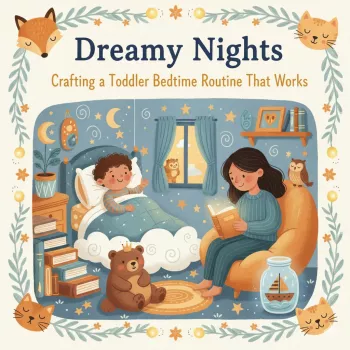
If you’d rather follow a structured plan with gentle methods, scripts, and troubleshooting, consider Dreamy Nights: Crafting a Toddler Bedtime Routine That Works. It’s designed for caregivers who want a ready-made routine, realistic expectations, and a consistent approach both adults can follow.
If bedtime struggles are fueled by separation worries—especially when a parent is traveling, working late, or living in another home—10 Loving Ways to Comfort Your Child When They Miss a Parent can help you stay steady and supportive without stretching bedtime longer and longer.
FAQ
What time should a toddler go to bed?
Many toddlers do well with bedtimes in the 7:00–8:30 p.m. range, but the best time is the one your child can follow consistently while still meeting total sleep needs with naps. Pick a realistic start time and keep it steady for at least 1–2 weeks before making big changes.
How long should a toddler bedtime routine be?
Most routines land around 20–45 minutes. Shorter can work if it’s consistent and calming—limit the steps so your toddler has fewer chances to stall.
Is gentle sleep training okay for toddlers who cry at bedtime?
Yes, many families use gentle options like fading support or brief check-ins to reassure without restarting the routine. If crying is paired with concerns like loud snoring, reflux symptoms, or frequent night terrors, check in with your pediatrician.















Leave a comment