Seasonal Storage System: Declutter, Pack, Label & Rotate
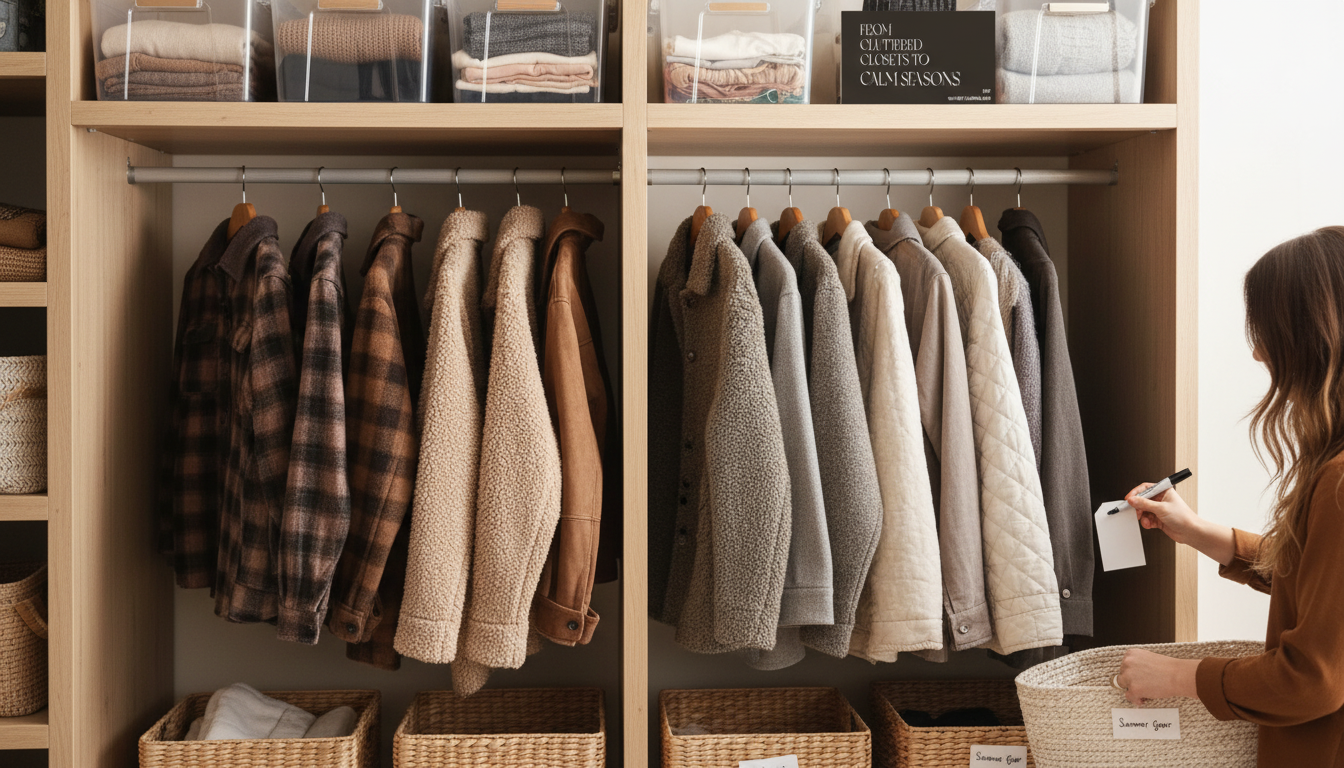
From Cluttered Closets to Calm Seasons: A Year-Round System for Storing Seasonal Items Neatly
Seasonal décor, clothing, sports gear, and holiday extras tend to pile up because they’re used intensely for a short window and then disappear into closets, attics, and spare rooms. A calmer home comes from a repeatable system: decide what stays, pack it safely, label it clearly, and rotate it on a simple schedule so nothing “migrates” into daily living spaces.
Start With a Quick Seasonal Inventory (No Deep Cleaning Required)
The fastest way to regain control is to sort without dragging everything into every room. Choose one “staging zone” (a bed, dining table, or a cleared patch of floor) and keep seasonal items contained there until decisions are made.
- Do a quick pass by category: décor, clothing, footwear, outdoor gear, kids’ items, and miscellaneous. Keeping categories separate now saves you from re-sorting later.
- Use a simple 4-pile method: Keep, Store, Donate/Sell, Recycle/Trash. Anything with no clear home goes into a “Decide Later” bin with a deadline (example: two weeks).
- Measure key storage areas before buying bins: closet shelf height, under-bed clearance, and overhead rack depth. Right-sizing prevents wasted space and unstable stacks.
Declutter With Rules That Prevent Re-Cluttering
Decluttering sticks when the rules are easy to remember and even easier to enforce during the next swap. The goal isn’t perfection—it’s preventing overflow.
- Set a container limit per category (example: “holiday décor fits in two bins”). When the bin is full, something must leave before anything new enters.
- Retire duplicates and “aspirational” items: extra wreaths, mismatched ornaments, itchy scarves, or sporting gear untouched for two seasons.
- Create a small “replace/repair” list for broken items. If repairs aren’t completed by the next rotation, let them go.
- For sentimental pieces, curate a set you can actually display or safely store. Sentimental value rises when items aren’t buried.
When you do donate, prioritize reuse first. The EPA’s guidance on reducing and reusing is a helpful reminder that the greenest item is often the one you don’t replace: EPA: Reducing and Reusing Basics.
Choose Storage Supplies That Protect Items and Save Space
Supplies matter most where they prevent damage: moisture, pests, and crushing. A few smart standards can make every seasonal swap smoother.
- Use clear, sturdy bins for most categories so contents stay visible; use opaque bins when light exposure is a concern (photos, some fabrics).
- For textiles, prefer breathable fabric bags for delicate items, and never seal anything even slightly damp in plastic—mildew spreads fast.
- Add moisture control in humid climates (silica packs or moisture absorbers). Mold prevention guidance from the CDC is worth following if you’re storing items in basements, attics, or garages: CDC: Mold Prevention Strategies and Possible Health Effects.
- Standardize bin sizes so they stack safely and fit shelves. Mismatched bins waste vertical space and topple easily.
Pack by “Next Use” and Label for Zero Guessing
Seasonal storage works best when you can grab one bin and start. Instead of packing by vague theme (“Christmas” or “Summer”), pack by the moment you’ll actually need it.
Create a Rotation Plan That Matches Your Home’s “Prime Real Estate”
Not all shelves are equal. Put the most-used items where your body naturally reaches, and treat hard-to-reach spaces as seasonal “parking spots.” For home storage safety, it’s also smart to avoid overloading shelves and keep pathways clear: NFPA: Home Storage Safety.
Seasonal Swap Map: What to Store Where
| Season or Trigger | Items to Rotate In | Items to Store Away | Best Storage Spot |
|---|---|---|---|
| Early Spring (temps rising, longer days) | Light jackets, rain gear, garden tools, spring décor | Heavy coats, snow gear, holiday leftovers | Top closet shelf; labeled bin near entry for rain gear |
| Early Summer (consistently warm) | Swimwear, beach bag, fans, outdoor dining items | Sweaters, extra blankets, bulky boots | Under-bed bins for clothing; garage shelf for outdoor gear |
| Early Fall (first cool evenings) | Sweatshirts, throw blankets, fall décor, school/sports gear | Pool items, excess summer toys, lightweight bedding | Hall closet for blankets; stackable bins in closet/attic |
| Late Fall / Holiday Setup | Holiday décor, wrapping supplies, guest bedding | Fall porch décor, summer patio textiles | Closet near main living area; separate wrapping caddy |
| Post-Holiday Reset | Everyday décor, normal pantry/kitchen setup | Holiday décor, gift bags, specialty serveware | Dedicated “Holiday” zone; keep one open tote for returns/donations |
Small-Space Solutions (Apartments, Shared Closets, No Garage)
Maintain the System in 15 Minutes a Month
A Ready-to-Follow Checklist and Storage System
- From Cluttered Closets to Calm Seasons | Digital Guide for How to Store Seasonal Items Neatly, Declutter, and Organize Year-Round — a step-by-step system for sorting, packing, labeling, and rotating without overthinking each decision.
- 10 Loving Ways to Comfort Your Child When They Miss a Parent | Gentle Parenting Checklist — a simple, printable support tool for family transition moments that often overlap with seasonal schedule shifts.
FAQ
How often should seasonal items be rotated?
Tie rotation to weather triggers and routine dates (early spring, early summer, early fall, plus post-holiday). Most homes do 4–5 rotations per year, with a small transition capsule accessible between swaps.
What’s the best way to store seasonal clothes to prevent odors and damage?
Wash and fully dry everything before storage, use breathable garment bags for delicates, and avoid over-compressing natural fibers. Add moisture control if needed and keep items away from direct sunlight and heat sources.
How can seasonal décor be stored so it’s easy to set up next year?
Pack by “next use” (tree, mantel, porch), add a quick inventory list inside each bin, and label multiple sides for fast grabbing. Keep fragile pieces in consistent protective wrap and store your most-used décor in the most accessible zone.















Leave a comment