Printable Pet First Aid Cheat Sheet: Vet-Smart Emergency Steps

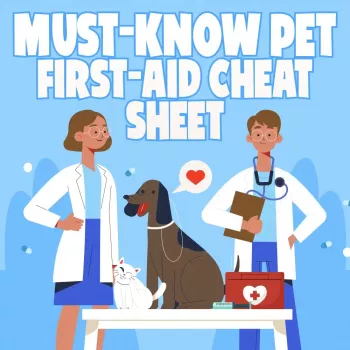
Must-Know Pet First-Aid Cheat Sheet: A Printable Emergency Guide with Vet-Smart Tips
Emergencies with pets move fast—choking, poisoning, heatstroke, bleeding, or sudden collapse can escalate in minutes. A clear, printable cheat sheet helps pet owners act quickly, stay calm, and know when to call a veterinarian or head to an emergency clinic. The goal is simple: stabilize, avoid common mistakes, and get professional care without delay when it’s needed.
If you want a ready-to-print, fridge-friendly reference, the Must-Know Pet First-Aid Cheat Sheet (printable guide) is designed for quick decisions at home, on walks, and while traveling.
When Pet First Aid Helps—and When It’s Not Enough
Pet first aid is short-term support until a veterinarian can take over. It does not replace diagnosis, X-rays, lab work, or prescription treatment. When symptoms are severe or rapidly worsening, prioritize calling a clinic and transporting your pet safely.
Call a veterinarian or emergency clinic immediately for: trouble breathing, collapse, uncontrolled bleeding, repeated vomiting, suspected poisoning, seizures, severe pain, a bloated/distended abdomen (especially in deep-chested dogs), or heatstroke signs.
If you’re unsure, call first. Many clinics can advise safe next steps while you prepare to come in. Keep these details easy to find (saved in your phone and printed near your cheat sheet): your regular veterinarian’s number, the nearest 24/7 emergency hospital address, and an animal poison hotline. Authoritative resources like the AVMA first-aid tips and the ASPCA Animal Poison Control Center can also help you recognize urgency.
The 60-Second Triage: What to Check First
When adrenaline hits, a simple order of operations keeps you focused. Take one deep breath, then run this quick triage:
Emergency Actions Cheat Sheet (Quick Reference Table)
| Situation | Do now | Avoid | Go to vet/ER now if… |
|---|---|---|---|
| Choking or gagging | If breathing is impaired, open mouth carefully and remove a visible object only if easily reachable; keep calm and head to ER | Blind finger-sweeps; forcing water/food | Blue gums, collapse, cannot inhale/exhale, loud wheeze/stridor |
| Bleeding wound | Firm direct pressure with gauze/clean cloth; add layers if soaked; wrap bandage snugly | Tourniquets unless directed; removing embedded objects | Bleeding won’t stop in 5–10 minutes, spurting blood, deep puncture, weakness/pale gums |
| Suspected poisoning | Call vet/poison hotline with product name, amount, time, weight; bring packaging | Inducing vomiting without instruction; giving milk/oil | Any neurologic signs, repeated vomiting, breathing trouble, known toxic ingestion |
| Heatstroke | Move to shade/AC; cool with lukewarm water on body and fan; offer small sips if alert; go to ER | Ice baths; forcing water; delaying care after cooling | Panting won’t stop, vomiting/diarrhea, collapse, rectal temp very high |
| Seizure | Clear area, dim lights, time the seizure, protect head with folded towel; call vet after | Putting hands near mouth; restraining tightly | Seizure >5 minutes, repeated seizures, trouble waking, first-time seizure |
| Broken nail/paw injury | Rinse debris; apply pressure for bleeding; light bandage; prevent licking | Tight wraps that cut circulation; using powders not intended for pets near deep wounds | Severe limping, swelling, visible bone, uncontrolled bleeding |
| Bloat (deep-chested dogs) | Treat as emergency; limit movement; go to ER immediately | Waiting to see if it passes; giving food/water | Distended abdomen, unproductive retching, restlessness, drooling |
Build a Simple Pet First-Aid Kit (Home + Car + Travel)
If your household includes a cat with ongoing health concerns, pairing a first-aid plan with routine monitoring can help you spot subtle changes earlier. The AI Insights for a Healthier Cat (cat health monitoring guide) is a helpful add-on for building consistent observation habits.
Vet-Smart Tips That Prevent Emergencies
- Poison-proofing: Store medications, xylitol products, pesticides, rodent bait, and cleaning agents behind closed doors. Keep toxic houseplants out of reach. For guidance on poisoning response, see AAHA’s overview on what to do if your pet is poisoned.
- Heat safety: Avoid hot pavement and parked cars. Plan walks early/late, bring water, and schedule rest breaks.
- Choking hazards: Choose chew sizes appropriately, supervise chews and toys, and discard items that splinter or can be swallowed whole.
- Wound prevention: Keep cats indoors or in secured outdoor spaces. Use reflective gear at night and maintain nails to reduce tearing.
- Know normal: Baseline breathing rate at rest, gum color, appetite, and behavior make it easier to notice when something is “off.”
Print, Place, Practice: Making the Cheat Sheet Useful in Real Life
For a clean, ready-to-fill template with the most common emergencies, keep the Must-Know Pet First-Aid Cheat Sheet (printable guide) where anyone in the household can find it in seconds.
A Printable Emergency Reference for Dog and Cat Owners
FAQ
Should vomiting be induced after a pet eats something toxic?
Not automatically—some substances can cause more damage coming back up. Call a veterinarian or an animal poison hotline with the exact product, amount, timing, and your pet’s weight, and follow professional instructions.
What are the fastest signs a pet needs an emergency vet right now?
Trouble breathing, blue/pale gums, collapse, seizures, uncontrolled bleeding, suspected bloat, repeated vomiting with weakness, severe pain, or heatstroke signs are red flags. Treat these as urgent and transport to a vet/ER immediately while calling ahead if possible.
What belongs in a basic pet first-aid kit for home and travel?
Include bandage supplies (gauze, nonstick pads, vet wrap, tape), saline, gloves, a thermometer, tweezers, blunt scissors, and a towel/blanket, plus safe transport gear like a carrier or harness. Add a printed contact sheet and check expiration dates and restock regularly.















Leave a comment