Calm at Home: 10-Minute Resets & Peaceful Routines
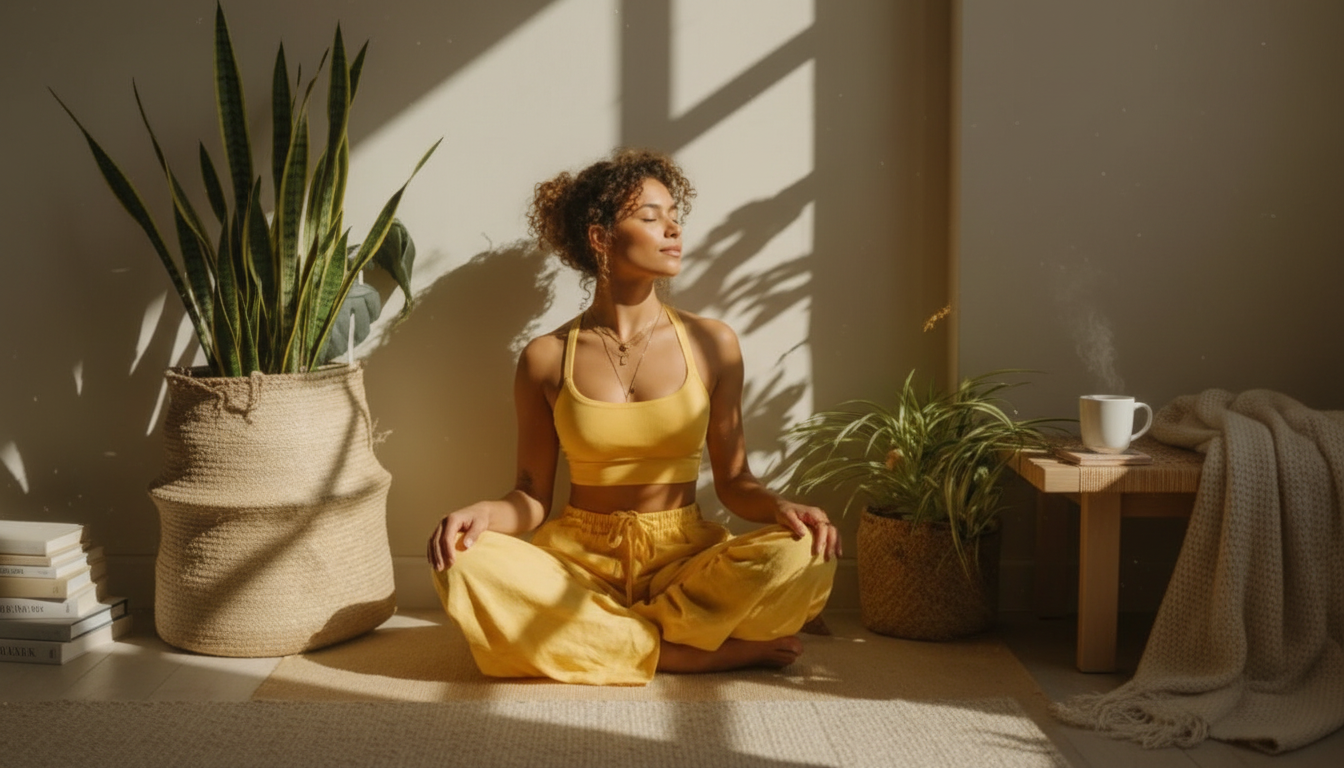
Find Your Calm at Home: Simple Ways to Relax, Build Peaceful Routines, and Create a Stress-Free Sanctuary
Home can feel like a refuge—or like another place where stress follows. The good news: a calmer atmosphere doesn’t require a remodel or a perfect schedule. Small, repeatable choices around light, sound, scent, clutter, boundaries, and gentle routines can quickly shift how a space feels. When the environment sends “safe and settled” cues, the body can downshift out of constant alert mode—especially when those cues show up consistently.
Below are simple micro-rituals, room-by-room calming cues, and realistic routines that support rest in real life. For added structure, the guided ebook Find Your Calm at Home – A Simple, Soul-Soothing Guide to Ways to Relax at Home, Build Peaceful Routines, and Create a Stress-Free Sanctuary pulls these ideas into an easy flow you can revisit whenever life gets loud.
What “calm at home” actually looks like (and why it works)
“Calm” isn’t a personality trait or a perfectly tidy living room. It’s a set of cues that help your nervous system feel supported.
- Calm is predictable: simple rhythms (a consistent wind-down, a short reset after work) reduce the mental strain of constant decision-making.
- Calm is visually quieter: fewer visual interruptions—especially on the surfaces you see most—can lower “background stress” and make it easier to focus or rest.
- Calm is easy access to comfort tools: a throw blanket, tea, book, journal, and headphones within reach make it simpler to choose soothing actions when you’re depleted.
- Calm uses nervous-system basics: softer lighting, reduced noise, and steady breathing signal safety and can help your body settle. The American Psychological Association’s overview of stress management highlights how daily habits support resilience over time.
- Calm is “good enough” consistency: short rituals repeated daily tend to work better than occasional big self-care days that are hard to repeat.
A helpful filter: pick one priority feeling for your home—grounded, cozy, airy, quiet, or warm—and let that guide purchases, routines, and what you say yes/no to.
A 10-minute reset that makes any room feel calmer
When time is short, aim for an immediate “tone shift” rather than a full clean. This reset works in a bedroom, kitchen, living room, or even a home office.
Optional: keep a small “calm kit” basket for instant resets (lip balm, hand cream, journal, pen, herbal tea). If you want a gentle, ready-to-follow routine, Find Your Calm at Home is a simple guide you can keep on hand.
| Minute | Action | Why it helps |
|---|---|---|
| 0–2 | Clear one surface | Reduces visual load and decision fatigue |
| 2–4 | Soften lighting | Signals evening/rest and lowers intensity |
| 4–6 | Refresh air | Creates a clean-slate feeling and improves comfort |
| 6–8 | Lower noise | Cuts stimulation and supports regulation |
| 8–10 | Add one comfort cue + slow breaths | Builds a reliable “calm association” |
Build peaceful routines with micro-rituals (morning, afternoon, evening)
Morning (5–15 minutes)
Midday (3–7 minutes)
- Create a “switching ritual” between work and home: wash hands, change clothes, or step outside for a short walk.
- Use a short relaxation technique if you’re keyed up; the NCCIH overview of relaxation techniques includes approachable options.
Evening (10–30 minutes)
Room-by-room sanctuary upgrades (no renovation required)
- Entryway: Add a drop zone for keys/bag, a small tray, and keep a clear path. This reduces frantic searching and creates instant order.
- Living space: Keep one “resting seat” clear, store a blanket nearby, and use a basket for remotes/books to reduce surface scatter.
- Kitchen: Clear one counter section as a “calm corner” (tea, mug, fruit bowl). Group items into bins so the eye reads “simple” instead of “busy.”
- Bedroom: Add a blackout option (curtains or eye mask), choose one bedside light, and keep work items out of sight. For sleep basics, the CDC’s information on sleep and sleep disorders is a helpful reference point.
- Bathroom: Simplify to a few soothing items—soft towel, gentle soap, lotion—so even quick routines feel restorative.
If family emotions are part of what makes home feel tense, having a simple plan can help. The printable 10 Loving Ways to Comfort Your Child When They Miss a Parent offers gentle, practical steps that support steadier days.
Boundaries that protect calm (noise, screens, people, and time)
When financial stress is part of the mental noise at home, a clear next-step plan can be calming. If that’s a current pressure point, How to Escape a Car Loan You Can’t Afford is a step-by-step guide designed to reduce uncertainty and help you regain a sense of control.
Relaxation methods you can do at home (pick what fits today)
A simple plan to make calm stick (7 days of gentle progress)
FAQ
How can the home feel calmer when there’s no time to clean?
Use the 10-minute reset: clear one surface, soften lighting, and lower sound. Consistency matters more than perfection, and baskets/zones help hide visual clutter fast so your brain can rest.
What are the fastest ways to relax at home after a stressful day?
Try extended-exhale breathing, dim the lights, and pair it with a warm shower or tea. Add 2–3 minutes of gentle stretching or a quick grounding exercise to help your body and mind settle together.
How do you build a peaceful routine that actually lasts?
Start with micro-rituals that take 5–10 minutes and attach them to an existing habit (habit stacking). Keep a “stop rule” for chores so rest has protected time, then expand the routine only after it feels automatic.













Leave a comment