AI Cat Wellness Tracking: Simple Daily Monitoring
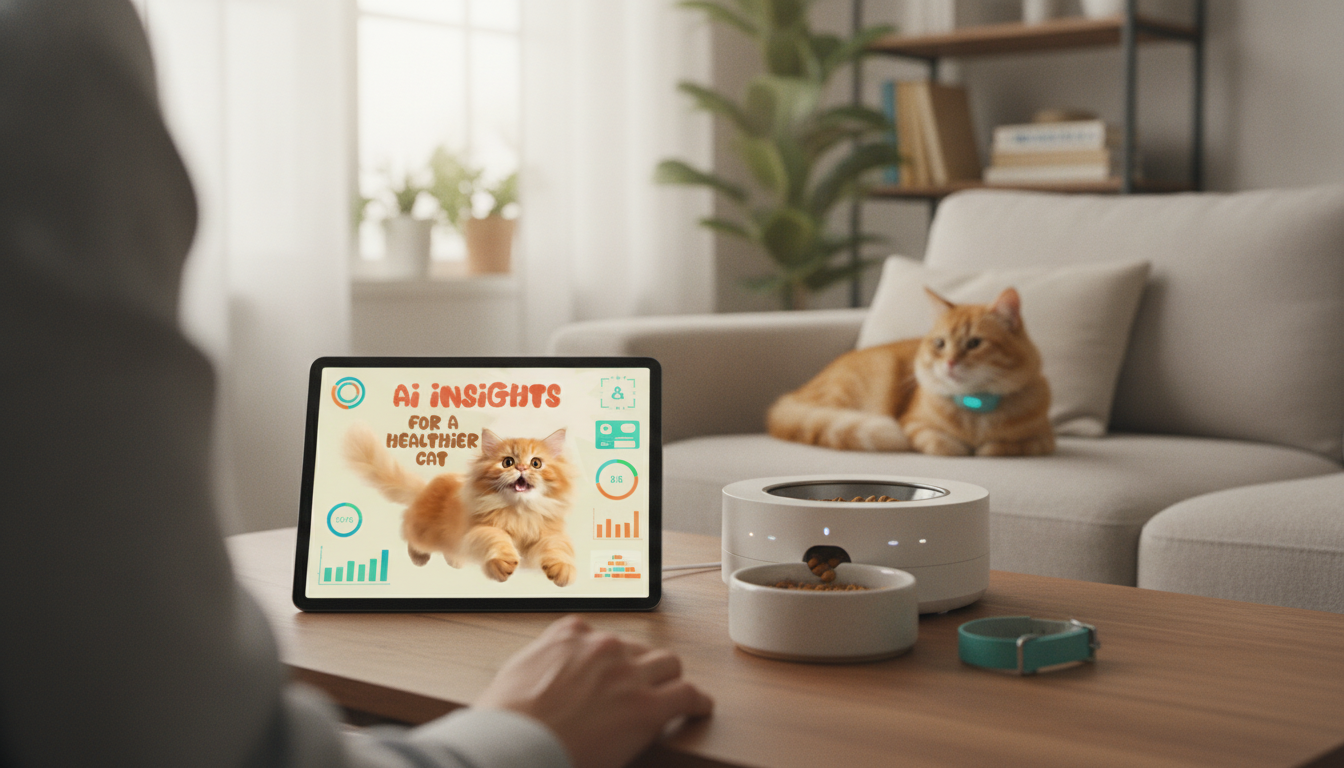
AI Insights for a Healthier Cat: A Practical Guide to Monitoring Daily Wellness With Modern Tools
Spotting subtle health changes early can be difficult when cats hide discomfort. A structured monitoring routine—combined with accessible AI-powered tools—can help track patterns in appetite, litter box habits, activity, weight, and behavior. This guide lays out a calm, repeatable system for gathering signals at home, turning observations into actionable notes for a veterinarian, and avoiding common pitfalls like over-relying on apps or misreading normal variation.
What “health monitoring” looks like in a real cat household
Effective monitoring doesn’t mean turning your home into a clinic. It means paying attention to a few repeatable signals and letting trends tell the story.
- Focus on trends, not single data points: one odd day matters less than a week-long shift.
- Build around the basics: food intake, water intake, litter box output, weight/body condition, activity, coat, and mood.
- Choose a simple cadence: quick daily checks (1–2 minutes) plus a weekly review (10 minutes).
- Define “normal” for the individual cat: age, breed, diet type, multi-cat dynamics, and stressors change baselines.
For reliable baselines, use veterinary guidance from trusted references like Cornell’s Feline Health Center and everyday care recommendations from the American Veterinary Medical Association.
Where AI tools help most (and where they don’t)
AI shines when it reduces guesswork and highlights slow changes that humans can overlook—especially in busy households.
- Pattern recognition: AI can flag slow changes that are easy to miss (gradual activity drop, subtle weight drift, recurring vomiting timing).
- Consistency: apps and smart devices reduce variability by capturing the same metrics the same way each day.
- Documentation for vet visits: charts, timestamps, and summaries can support clearer clinical conversations.
- Limits to respect: AI tools do not diagnose; false positives and missed issues are possible, especially with messy data or multi-cat homes.
- Best use: treat AI outputs as “signals to investigate,” not conclusions.
Common at-home signals and how AI can support tracking
| Signal to monitor | Simple baseline method | AI-supported option | When to contact a vet promptly |
|---|---|---|---|
| Appetite | Measure portions; note leftovers and treats | Food logging apps; camera-assisted bowl monitoring | Not eating for 24 hours (adult) or any prolonged refusal in kittens/seniors; repeated gagging |
| Water intake | Mark bowl levels; note refill frequency | Smart fountain/bowl sensors; trend graphs | Sudden big increase or decrease, especially with weight loss or lethargy |
| Litter box output | Daily count of urine clumps and stool; note size/texture | Smart litter boxes; photo logs; automated frequency charts | Straining, blood, no urine, diarrhea lasting >24–48 hours, or constipation signs |
| Weight/body condition | Weekly weigh-ins (same time, same scale); body condition notes | Scale apps; automated reminders; trend detection | Rapid loss, persistent gain with low activity, or weight change with appetite changes |
| Activity and sleep | Observe play interest and movement around the home | Pet activity trackers; anomaly alerts | Marked drop in activity with hiding, pain signs, or breathing changes |
| Behavior and mood | Note hiding, irritability, vocalization, grooming changes | Behavior journaling templates; AI summaries of notes | Sudden aggression, confusion, persistent hiding, or signs of pain |
Setting up a low-friction monitoring system
The best system is the one that still works when life gets hectic. Aim for “easy to repeat,” not “perfect.”
- Start with one goal: pick 2–3 metrics to track for two weeks before adding more.
- Use the same measurement rules: same scoop, same bowl location, same weigh-in day.
- Create a daily snapshot: appetite (Y/N), litter box (normal/abnormal), energy (low/normal/high), notes (1 line).
- Add context tags: new food, visitors, loud noises, medication, travel, heat, or schedule changes.
- Protect accuracy in multi-cat homes: separate meals when possible; consider microchip feeders; label litter boxes; rotate observation duty by time of day.
Small practical touches help you keep the routine going. For example, keeping a dedicated cleanup towel near the litter area can make quick checks and tidy-ups more consistent; the Ultra-Soft 100% Cotton Bath Towel is a simple household add-on for that “grab-and-go” setup.
Using AI responsibly: avoiding common mistakes
If you want a structured way to turn daily signals into vet-friendly notes, AI Insights for a Healthier Cat: Ultimate eBook Guide for Cat Health Monitoring with AI Tools and Techniques lays out checklists, prompts, and practical templates designed for real households.
Red flags that matter more than any dashboard
For additional wellbeing guidance and stress-reduction tips that support healthier baselines, resources from International Cat Care can be especially helpful.
A guided approach for building a complete routine
Many owners find it easier to stick with the process when the logging is already organized. For a more complete, step-by-step framework (daily checklists, symptom prompts, and ways to interpret trends without overreacting), consider AI Insights for a Healthier Cat: Ultimate eBook Guide for Cat Health Monitoring with AI Tools and Techniques.
FAQ
Can AI tools diagnose a cat’s illness from behavior or litter box data?
No. AI can highlight patterns and anomalies, but it can’t diagnose disease—use the output as a reason to observe more closely, tighten your notes, and contact a veterinarian when changes persist or worsen.
What’s the simplest monitoring routine that actually works long-term?
A 1–2 minute daily snapshot (appetite, litter box, energy) plus a weekly weigh-in is enough for most households. Consistency and trend review matter more than perfect data.
How can monitoring work in a multi-cat home when cats share bowls and litter boxes?
Use separation where possible (scheduled feeding, microchip feeders) and label or add litter boxes to reduce confusion. Combine device data with brief direct observation so trends are tied to the right cat.
















Leave a comment