Essential-Oil Therapy Explained: Aromatherapy Uses & Safety
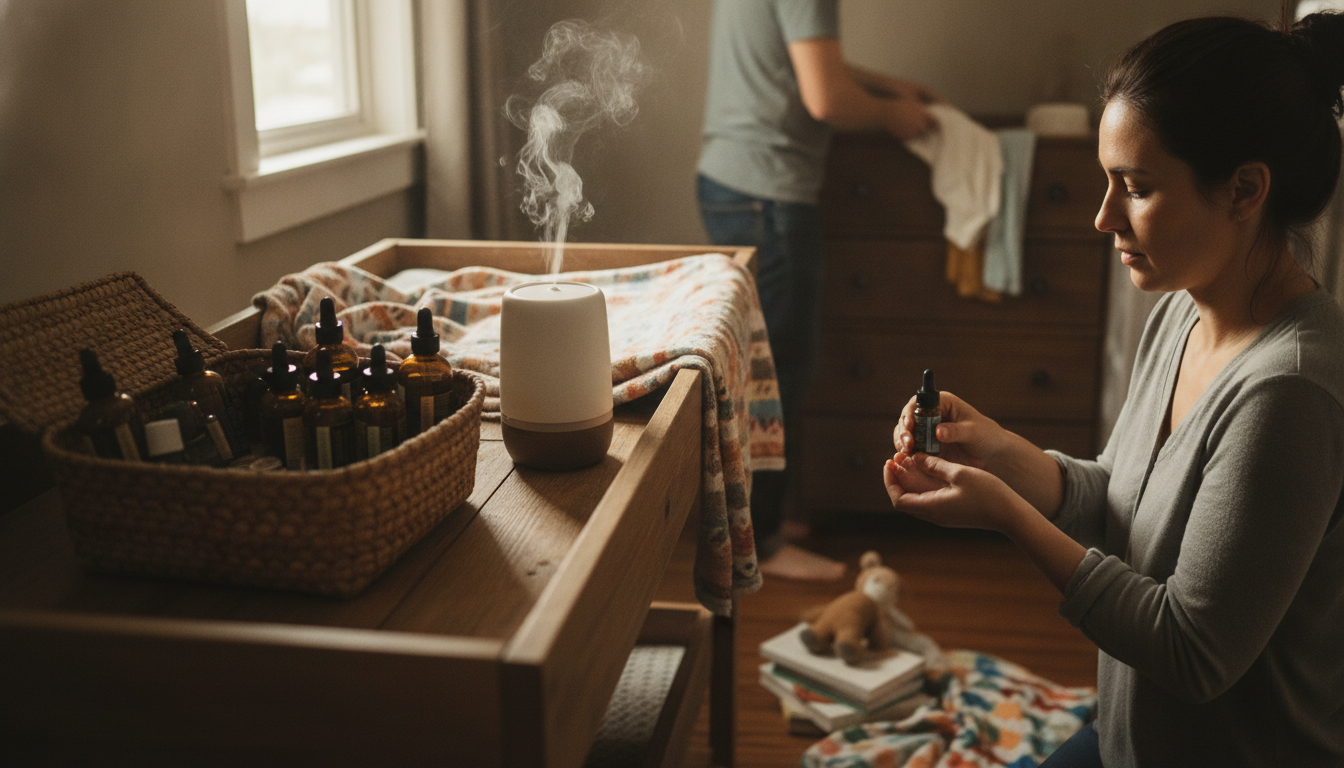
What kind of therapy uses essential oils?
The therapy most commonly associated with essential oils is aromatherapy. Aromatherapy is a complementary wellness practice that uses the scent of plant-derived essential oils—typically through inhalation (like diffusion) or topical application (when properly diluted)—to support relaxation, mood, and a sense of well-being.
Essential oils may also show up in certain bodywork and spa-style services, such as massage, where a practitioner blends a small amount of essential oil into a carrier oil. In these settings, the goal is usually to enhance the experience through aroma and comforting sensory cues, rather than to replace medical care.
How aromatherapy is typically used
Inhalation (diffusion or direct aroma)
Diffusers disperse essential oil molecules into the air, creating a light, room-filling scent. Some people also use aroma strips, cotton pads, or simply smell a bottle briefly. Ventilation, session length, and oil selection matter—especially for shared spaces.
Topical use (only when diluted)
Topical aromatherapy involves applying essential oils to skin after mixing them into a carrier oil (like jojoba or fractionated coconut oil). This helps reduce the risk of irritation or sensitization. Patch testing and conservative dilution rates are common best practices.
Why safety matters with essential-oil therapy
Even though aromatherapy is often positioned as gentle, essential oils are concentrated. Using too much, skipping dilution, or diffusing for long periods can increase the chance of headaches, skin reactions, or respiratory irritation—especially for children, pregnant people, and anyone with asthma or sensitivities.
For practical guidance on dilution, diffusion time, and other everyday precautions, see the detailed checklist here: essential oil safety checklist (dilution & diffusion).
For Essential-Oil Therapy Explained: Aromatherapy Uses & Safety, the best answer depends on fit, material, care instructions, and how the product will be used day to day.
Checking those details first helps avoid a poor match and keeps the choice practical after delivery.
FAQ
Can you apply essential oils directly to your skin?
It’s generally best not to. Most essential oils should be diluted in a carrier oil before skin use to lower the risk of irritation or allergic sensitization.
















Leave a comment