Home Office Decorating Ideas for Focus, Comfort, and Flow
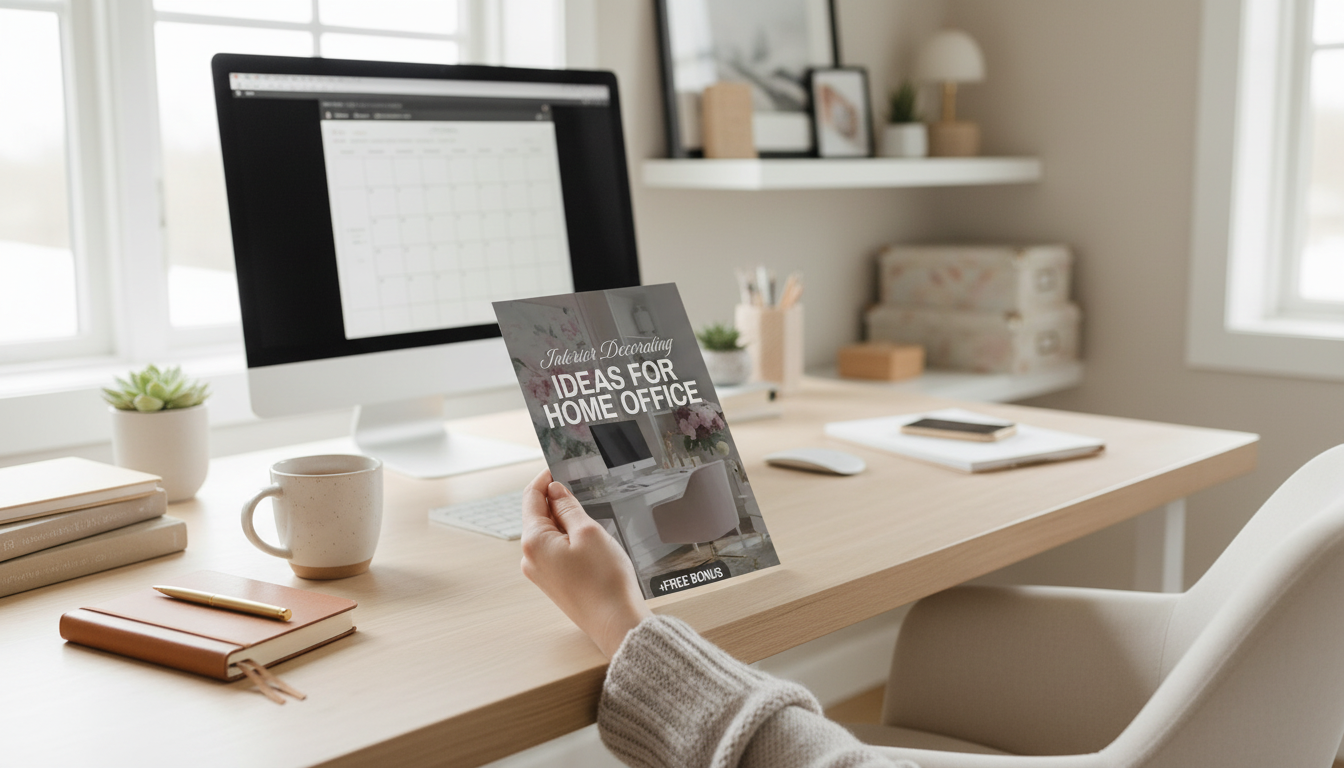
Interior Decorating Ideas for a Home Office That Support Focus and Comfort
A home office works best when décor and workflow support each other. The goal isn’t to create a “perfect” room—it’s to make daily work feel lighter, more organized, and easier to start. With a few practical choices around layout, lighting, color, storage, and comfort, even a small corner can feel steady, calm, and surprisingly motivating.
Start with purpose: define how the room needs to perform
Before picking décor, decide what the space is supposed to do on an average day. When the room’s job is clear, your decorating decisions get simpler—and you’re less likely to add items that look nice but create friction.
- List the primary tasks: deep-focus work, calls/video meetings, creative work, paperwork, or study time.
- Decide what must be within arm’s reach (keyboard, notebook, chargers) vs. what can live in storage (extra cables, supplies, reference books).
- Choose one “default mode” for the room (focus-first or collaboration-first) and decorate to reinforce it.
- Set a simple visual goal: calm, energizing, cozy, minimal, or studio-like—then keep adding only what supports that goal.
Layout ideas that reduce friction and improve flow
Layout is the fastest way to improve how a home office feels. A good setup removes tiny obstacles: awkward chair movement, cords in the walkway, or a monitor that fights the light all day.
- Place the desk where natural light helps without causing screen glare; side-lighting often feels best for long sessions.
- Create a clear path from the door to the chair—no stepping around boxes, baskets, or cords.
- Use “zones” even in a small space: work zone (desk), reference zone (shelf/cabinet), reset zone (tray for incoming papers, mail, or devices).
- Keep the camera background intentional for video calls: a tidy shelf, art, or a neutral wall with one statement piece.
Quick layout fixes by common problem
| Problem | Fast decorating fix | Why it helps |
|---|---|---|
| Desk feels cluttered | Add a slim desk shelf or monitor riser + a small catch-all tray | Frees work surface and gives small items a home |
| Room feels cramped | Use wall-mounted shelves and a narrow rolling cart | Adds storage without consuming floor space |
| Hard to focus | Face away from high-traffic areas; use a low bookcase as a visual divider | Reduces movement in your peripheral vision |
| Video calls look messy | Style one background wall with 1–3 objects and consistent colors | Creates a clean, professional frame |
Lighting that supports energy and reduces eye strain
Lighting affects alertness, mood, and how hard your eyes have to work. A simple layered plan also makes your office feel more “finished,” even if the rest of the house is busy.
- Layer lighting: ambient (overhead), task (desk lamp), and accent (small lamp or LED strip behind monitor).
- Aim for adjustable task lighting with a shade that reduces glare and a positionable arm for different activities.
- Choose consistent bulb color temperature across the room so it feels cohesive; mixed tones can make the space feel “off.”
- Reduce reflections by angling the monitor away from windows and using curtains/blinds to control brightness.
For workstation comfort and positioning basics, use practical ergonomics guidance from NIOSH and OSHA. If screen time leaves your eyes feeling dry or strained, the American Academy of Ophthalmology offers helpful prevention tips.
Color and texture choices that set the mood for work
Color can either “quiet” a space or keep it buzzing. The most livable home offices usually aim for a controlled palette—then use texture to keep the room from feeling flat.
- Use a limited palette (2–3 main colors) so the room looks calmer and easier to maintain.
- Add texture for warmth without visual clutter: a woven basket, a matte ceramic pen cup, a soft rug, or linen curtains.
- Keep large surfaces quiet (walls, desk, major furniture) and use color in smaller items (art, organizers, lamp base) for easy updates.
- If the space must multitask (guest room + office), repeat one color across both functions to make it feel unified.
If you want a “focused but not sterile” look, try a warm neutral base (soft white, greige, or sand) with one grounded accent (olive, navy, or charcoal). Then repeat one metal finish (black, brass, or chrome) across hardware, lamp bases, and frames to keep the room visually tidy.
Storage and organization that still looks like décor
Organization is part of decoration in a home office—because what you can see impacts how mentally “busy” the room feels. A few deliberate storage choices can reduce the sense of unfinished tasks.
Small style upgrades that increase motivation
A simple decorating checklist to keep decisions easy
Helpful digital guides
- Interior Decorating Ideas for Home Office | Digital Download Checklist | Home Office eBook & Productivity Guide
- How to Escape a Car Loan You Can’t Afford – Step-by-Step Ebook Guide on How to Get Out of a Car Loan You Can’t Afford, Fix Your Finances & Protect Your Credit
FAQ
What’s the best way to use a decorating checklist for a home office?
Use it in phases: start with layout, then lighting, then storage and styling. Complete one small action per day and test the setup for a week before buying anything new so you can see what actually improves your workflow.
Can a home office look stylish without adding clutter?
Yes—stick to a limited color palette, rely on closed storage for the visually “messy” stuff, and choose one focal point instead of many. Repeating a few materials (like wood, one metal finish, and one fabric texture) also keeps the room cohesive.
Is a digital download checklist printable?
Many digital downloads are printable at home or easy to use on a tablet. Check the file format on the product page, then choose a paper size that fits how you like to work (such as a clipboard sheet or binder page).









Leave a comment