Palm Leaf Broom DIY: Easy Steps, Materials & Tips
How to make brooms from palm leaves?
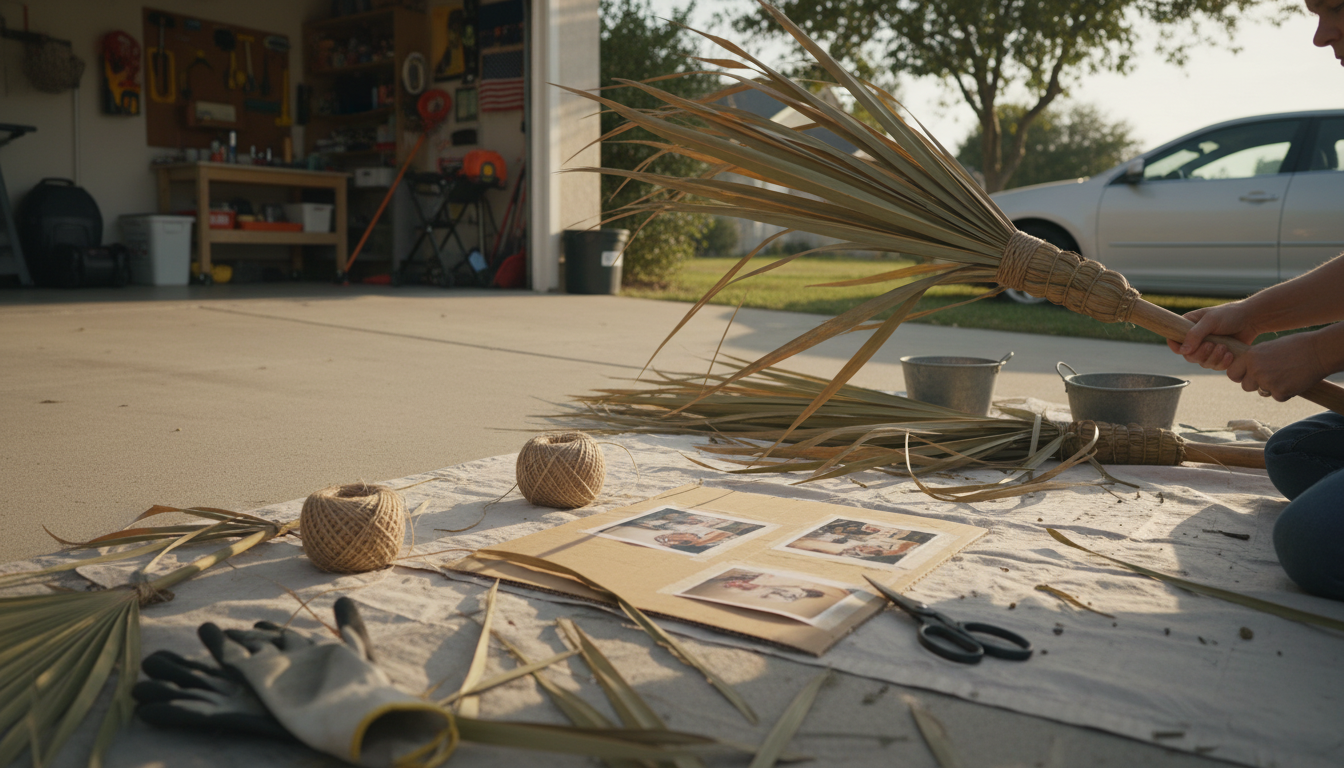
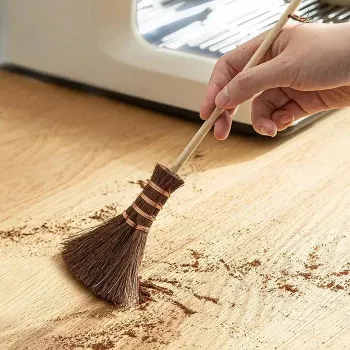
Making a broom from palm leaves is a practical way to turn sturdy, fibrous fronds into a hand tool for quick sweeps. The basic idea is simple: dry and split the leaflets, bundle them tightly, and secure the bundle to a handle so the “bristles” fan out. For a clear, photo-supported walkthrough of a small palm broom style, see this natural palm desktop broom guide.
Materials you’ll need
Palm fronds (healthy, mature leaflets), strong twine (jute, cotton, or nylon), scissors or pruning shears, a bowl of water (optional for pliability), and a handle (a straight stick, dowel, or a wrapped bundle for a handle-free whisk style).
1) Harvest and prep the palm leaves
Cut fronds and select the firmest leaflets. Shake out debris and let them dry until they feel leathery rather than wet. If the leaves are brittle, lightly mist or soak the leaf ends for a few minutes so they bend without cracking.
2) Split and align the bristles
For a softer sweep, split thicker leaflets lengthwise into narrower strips. Stack the strips so the tips line up, keeping the grain direction consistent. Trim the ends to create an even broom edge (square for sharper sweeping, slightly rounded for gentler use).
3) Form a tight bundle
Gather the aligned strips into a thick handful. Wrap twine around the bundle near the top of the bristles, pulling as tight as possible. Make several wraps and tie a secure knot. A second binding an inch or two lower helps the bristles stay fanned and sturdy.
4) Add (or build) the handle
For a handled broom, place the stick against the bound end and continue wrapping twine up and around the stick and bundle together. Finish with tight wraps, a firm knot, and trimmed string ends. For a small hand broom, keep the wrapped section longer to create a comfortable grip.
5) Finish and cure
Let the broom dry fully in a shaded, airy spot. Once set, do a final trim so the bristle line is even. Store it bristles-up or hanging to help it keep its shape.
FAQ
How do you make a palm-leaf broom last longer?
Keep it dry, trim frayed tips as needed, and store it hanging or bristles-up so the fibers don’t stay bent. Rewrap or tighten the binding if the bundle loosens with use.














Leave a comment