Pet & Kid Storage Hacks: 2-Minute Reset Checklist
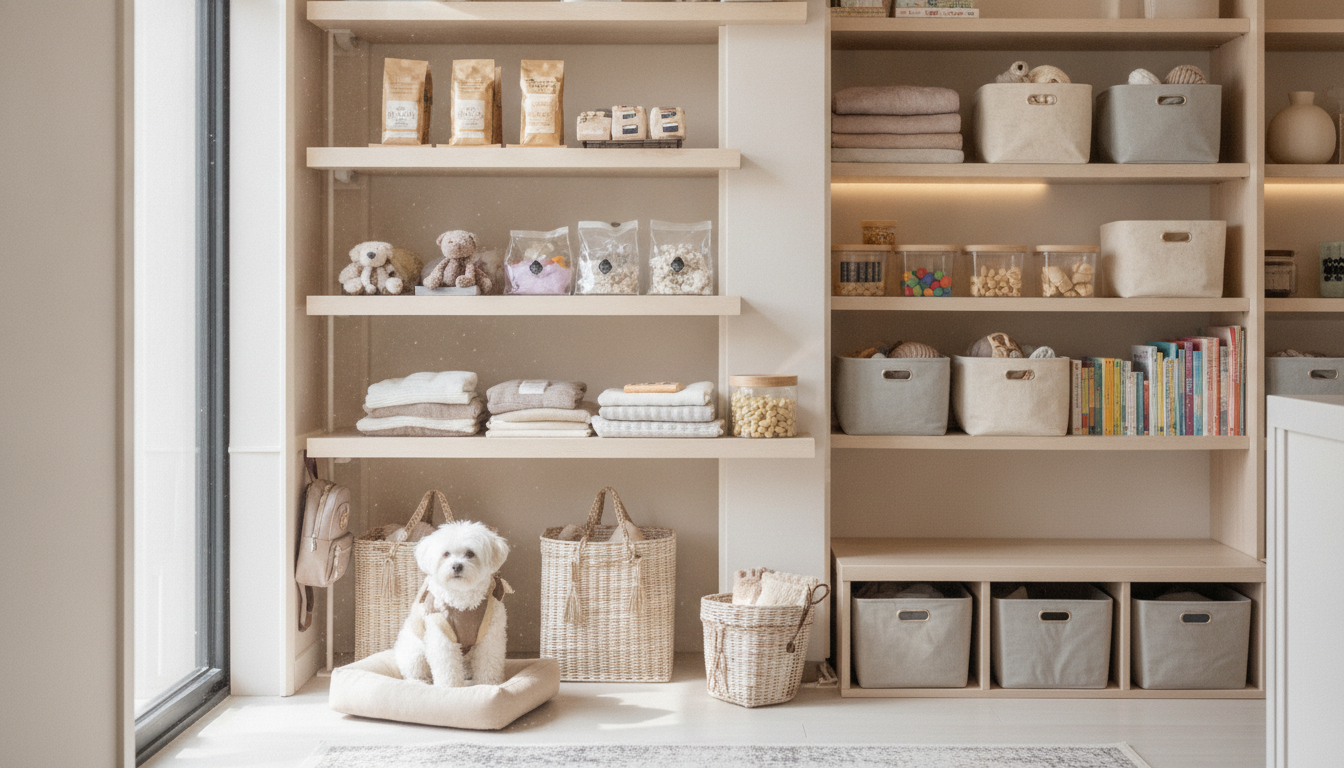
Smart Storage Hacks for Pets & Kids: A Family-Friendly Checklist for a Calmer Home
Busy households with children and pets need storage that’s safe, quick to reset, and easy for everyone to maintain. The goal isn’t a picture-perfect home—it’s a home that runs smoothly: shoes don’t migrate, pet gear doesn’t vanish, and cleanup doesn’t turn into a nightly debate. Use the room-by-room hacks below to build simple routines, then keep it all on track with a printable checklist you can stick on the fridge.
The three-zone system that keeps chaos contained
If clutter keeps returning, it’s usually because items don’t have a “closest possible home.” A reliable fix is a three-zone system in every high-traffic space:
- Daily Use: reachable storage where items are used (kid-accessible where appropriate).
- Backup: extra supplies and bulk refills (higher shelves, closets, or lidded bins).
- Off-Season: rarely used items (upper closets, garage shelves, under-bed bins).
Near the main entry, assign two clearly separated drop zones: one for kid items (shoes, backpacks, permission slips) and one for pet items (leashes, wipes, treats). Labels matter—use icons for pre-readers and keep container types consistent so everyone recognizes “where it goes.”
A practical test: aim for a 2-minute reset in each area. If tidying takes longer, storage is too far away, too small, or too complicated.
Entryway and mudroom: stop the mess at the door
The entryway is the highest-impact zone because it’s where the day enters your home. Set it up so unloading is automatic.
- Mount hooks at two heights: adult height for coats/leashes; kid height for jackets and small backpacks.
- Add a lidded bin for pet gear: leash, harness, poop bags, towel, paw wipes—everything in one grab-and-go container.
- Create a “paw & shoe station”: a silicone mat to catch drips plus wipes within reach (but out of toddler-access if needed).
- Protect the floor: a washable runner reduces stress when the weather turns.
Keep seasonal overflow in the Backup zone (rain boots, paw balm, extra mittens). When the season changes, swap the Daily Use set instead of stacking more by the door.
Kitchen and pantry: safer snacks and smarter pet feeding storage
The kitchen is where safety and speed matter most—especially with toddlers and curious pets. Build a system that reduces climbing, prevents mix-ups, and keeps feeding supplies sanitary.
- Set up a “kid snack drawer”: pre-portioned bins and lunch tools placed below adult prep areas to reduce counter surfing.
- Store pet food airtight: keep scoops in a clip-on holder to reduce mess and cross-contamination.
- Dedicate one cabinet to pet essentials: treats, supplements, grooming wipes (add a child-proof latch if needed).
- Create a wipeable feeding station: mat on the floor, bowls nearby, and measuring tools stored directly above or beside it.
For safer home cleaning and disinfecting habits—especially after accidents—follow authoritative guidance like the CDC’s cleaning and disinfecting recommendations. And for poison prevention with both kids and pets, keep emergency resources handy, including American Academy of Pediatrics poison prevention tips and the ASPCA Animal Poison Control information page.
Quick kitchen storage map for families with pets and kids
| Area | What to store | Container idea | Safety note |
|---|---|---|---|
| Low drawer | Kid snacks + lunch tools | Clear bins + dividers | Avoid choking hazards; rotate older snacks forward |
| Pantry shelf (mid/high) | Pet food + treats | Airtight bin + labeled jar | Keep treats out of reach; confirm ingredients for allergies |
| Cleaning caddy | Pet-safe + kid-safe cleaners | Handled caddy | Store high; follow label directions for dilution and ventilation |
| Fridge bin | Packed lunches + pet meds (if applicable) | Lidded bin | Separate human food from pet items; use clear labels |
Living room: toy and pet gear storage that still looks tidy
Living rooms collect the most mixed-category clutter: toys, blankets, books, and pet gear. A few small upgrades can prevent the “giant pile” effect.
Bedrooms and closets: simplify dressing, bathing, and bedtime routines
Bathroom and laundry: prevent bottlenecks and lost socks
Printable checklist: a 10-minute daily reset + a weekly refresh
Download the ready-to-print checklist and storage guide
If you want everything in one place, the Smart Storage Hacks for Pets & Kids printable checklist (digital download) turns these ideas into quick, repeatable routines you can print or keep on your phone.
For families who also want extra support with kid routines during big transitions, 10 Loving Ways to Comfort Your Child When They Miss a Parent (printable checklist) is a gentle companion resource. And if you’re organizing pet records and care notes alongside household systems, AI Insights for a Healthier Cat (ebook guide) can help you structure what to track and when.
FAQ
What’s the fastest way to organize a home with both kids and pets?
Start with one high-traffic zone (usually the entryway or living room), set up Daily/Backup/Off-Season storage, add simple labels, and aim for a 2-minute reset. Once that single zone stays stable for a week, expand one room at a time.
How can pet supplies be stored safely around toddlers?
Store treats, medications, supplements, and grooming tools in a high cabinet or a latched container, and keep small items like poop bags and clickers out of open access. Place low “grab zone” items (like leashes or wipes) where an adult can supervise use.
How often should toy and pet gear bins be decluttered?
Rotate pet toys weekly and do a monthly pass on kid toys and outgrown clothing. If bins overflow sooner, reduce the number of categories or move extras into a Backup zone.













Leave a comment