Why Kids Lose Confidence: Causes Parents Can Spot
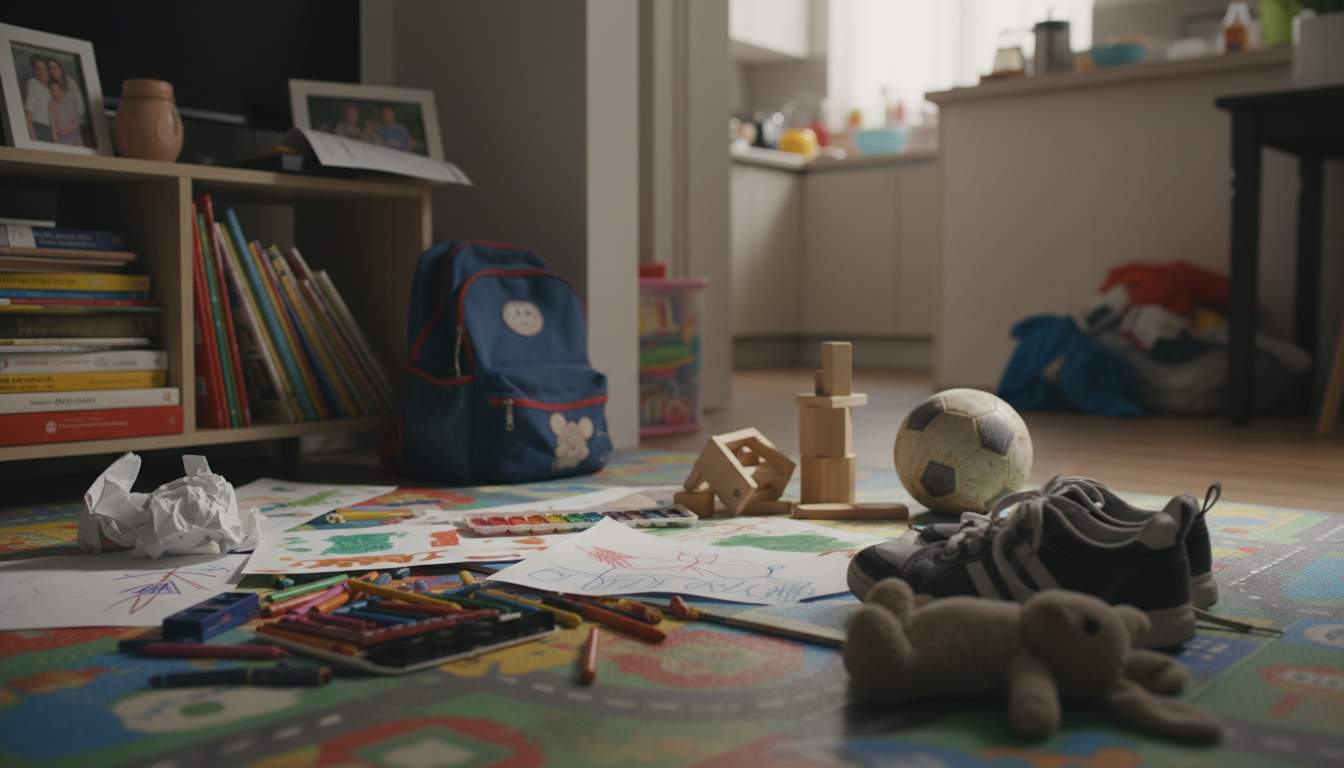
What causes lack of confidence in a child?
A child’s confidence is shaped by daily experiences, relationships, and how they learn to interpret mistakes. A lack of confidence usually doesn’t come from one single moment—it tends to build over time when a child repeatedly feels judged, powerless, or unsure of their abilities.
Frequent criticism or harsh comparisons
When feedback focuses mostly on what’s wrong—especially in front of others—kids can start to link their worth to performance. Constant comparison to siblings, classmates, or teammates can also make a child assume they’ll never measure up, even if they’re doing well.
Perfectionism and fear of making mistakes
Some children become overly focused on getting everything “right.” If mistakes are treated like failures rather than learning opportunities, kids may avoid challenges, stop trying new things, or withdraw in situations where they can’t guarantee success.
Bullying, teasing, or social exclusion
Peer relationships strongly influence self-esteem. Repeated teasing about appearance, abilities, interests, or differences can lead a child to internalize negative labels and doubt their value in social settings.
Overprotection or limited independence
When adults step in too quickly—solving problems, speaking for the child, or preventing normal risks—kids miss chances to practice coping skills. Without opportunities to try, fail safely, and try again, confidence has less room to grow.
Learning differences or struggling in school
Undiagnosed learning challenges, attention issues, or a mismatch between teaching style and a child’s needs can create repeated frustration. Over time, a child may decide they’re “not smart,” even when the real issue is support, strategies, or environment.
Stress at home or major life changes
Divorce, moving, financial strain, illness, or ongoing conflict can make children feel uncertain and emotionally overloaded. That stress can show up as self-doubt, clinginess, irritability, or avoiding activities they once enjoyed.
For a deeper look at common causes and practical ways to support healthy self-esteem, visit https://auristara.com/what-causes-lack-of-confidence-in-a-child/.
FAQ
How can parents help build a child’s confidence?
Offer specific praise for effort and strategies, not just outcomes, and give age-appropriate responsibilities they can master. Encourage problem-solving, normalize mistakes, and create routines that help them feel capable and secure.
















Leave a comment