Chair Placement Rules: Clear Walkways, Better Seating Flow
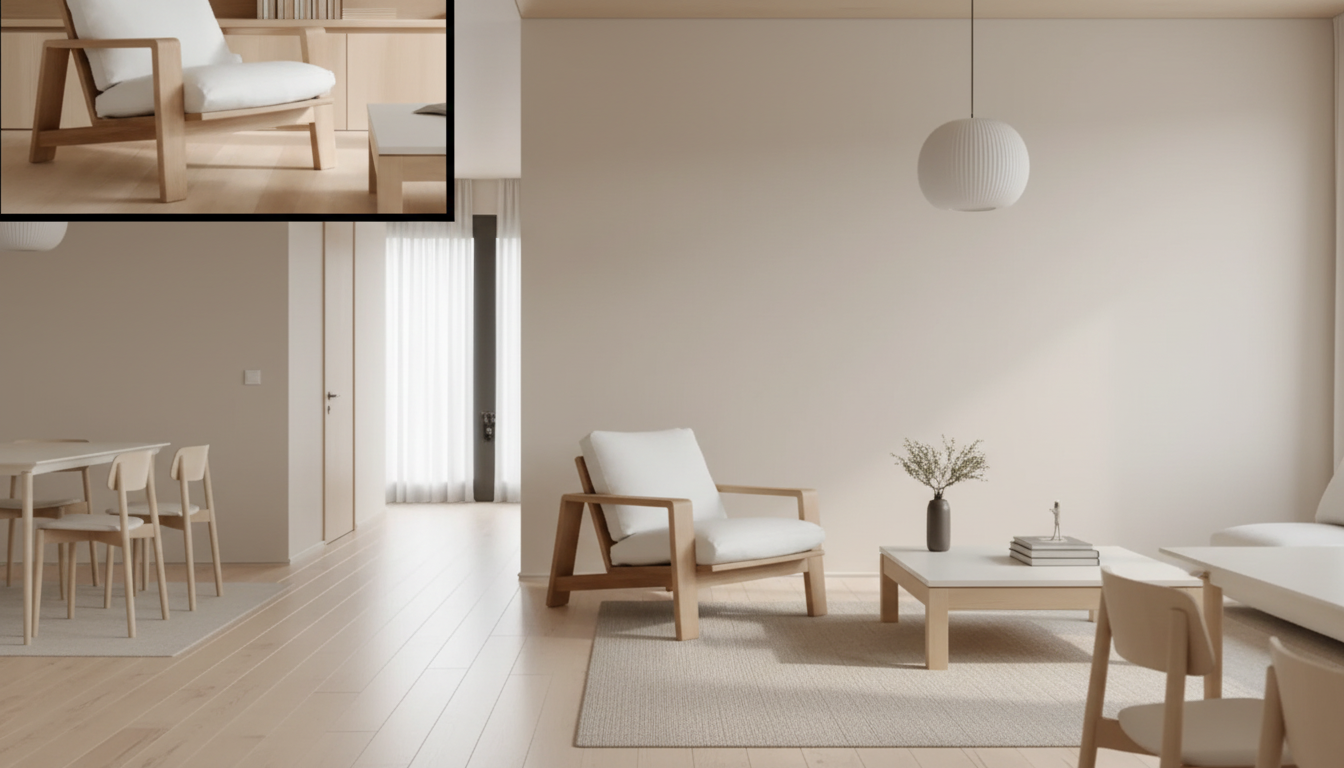
Chair Placement for Flow and Function: Practical Layout Rules for Comfortable, Clear Rooms
A room can look finished and still feel awkward if seating blocks pathways, crowds key surfaces, or forces people to navigate around furniture. Chair placement becomes much easier when it’s broken into a few repeatable decisions: protect traffic routes, set conversation distance, keep sightlines clear, and support the tasks that actually happen every day. Use the rules and checklist below to test a layout quickly before committing to heavy moves or buying new pieces. For more guidance, see Why your room layout matters – and how to get it right for maximum ….
Start With Movement: Identify the Room’s Natural Paths
Before centering a chair on a rug or choosing the “prettiest” angle, map how people move. Mark the primary routes first: entry to seating, seating to hallway, seating to windows, and seating to storage like closets, cabinets, and bookcases. These routes should feel effortless—no shoulder-turning, no squeezing past arms, no stepping around chair legs. For further reading, see Furniture Placement 101: Arranging Your Room for Flow and Function.
Protect “through” paths from narrow pinch points, and treat door swings as non-negotiable zones. If a door can’t open fully, that’s not a styling problem; it’s a daily frustration. When you’re unsure where to start, keep the clearest line between the most-used doorway and the room’s main destination (the sofa area, bed, or desk), then build seating around that clear lane.
Quick Clearance Guide for Chair Placement
| Area | Recommended clearance | Why it matters | Common fix |
|---|---|---|---|
| Main walkway (high-traffic) | 36 in / 91 cm preferred | Comfortable passing without sidestepping | Shift chairs off the direct line; angle seating toward the conversation zone |
| Secondary walkway (low-traffic) | 30 in / 76 cm minimum | Basic access to doors and storage | Swap bulky arms for armless chairs or tuck chairs closer to a wall when not in use |
| Between chair and coffee table | 14–18 in / 36–46 cm | Legroom while keeping items within reach | Move the table forward; use a smaller table if knees hit |
| Behind a dining chair (pull-out space) | 36 in / 91 cm ideal; 24 in / 61 cm minimum if no passing behind | Allows sitting down and standing up without collisions | Use slimmer chairs or reduce table size; consider a banquette on one side |
| Chair to side table (reach zone) | 2–6 in / 5–15 cm | Easy access to drinks, lamps, and remotes | Choose a narrower table or move it slightly forward of the chair arm |
For households that need more generous routes (mobility aids, strollers, or simply a busy hallway-to-living-room connection), accessible design guidance can be a helpful reference point. The 2010 ADA Standards for Accessible Design outlines common clearances used in public spaces, and “means of egress” concepts in NFPA 101: Life Safety Code reinforce why unobstructed routes matter.
Build a Conversation Zone That Feels Natural
Once the paths are protected, aim chairs toward the social center—often a coffee table, fireplace, view, or TV. When bodies and sightlines align, people relax into the space instead of twisting to talk or constantly shifting position.
- Use a triangle or U-shape in most living rooms; it creates connection without forcing a “formal” arrangement.
- Add a fourth seat only if it doesn’t cut across the primary walkway.
- Keep face-to-face seats close enough for easy conversation; if voices rise, the chairs are usually too far apart.
- Angle chairs 10–30 degrees to soften a rigid layout while preserving clear routes.
Match Chair Placement to the Room’s Main Function
A chair that looks great but doesn’t support the room’s job becomes a magnet for clutter—or never gets used. Place each chair based on what someone does in that spot, not just what fills an empty corner.
Use Anchors: Rug, Coffee Table, and Lighting as Placement Guides
Small-Space Moves That Improve Flow Without Losing Seats
Common Chair Placement Mistakes and Fast Fixes
Printable Checklist: Test a Layout Before You Commit
Digital Guide + Checklist for Room Layout Decisions
If a room keeps ending up “almost right,” a step-by-step method can save time and heavy lifting. The Chair Placement for Flow and Function digital guide and checklist walks through walkways, seating distances, and proportion checks in a repeatable order, with checklist pages designed to reveal bottlenecks, blocked access, and dead seating before you rearrange everything.
For shoppers who like organized, action-oriented downloads, these other in-stock digital guides are also available: AI Insights for a Healthier Cat: Ultimate eBook Guide for Cat Health Monitoring with AI Tools and Techniques and 10 Loving Ways to Comfort Your Child When They Miss a Parent.
FAQ
How much space should be left behind a chair for walking?
Plan for about 36 inches for a main, high-traffic walkway and at least 30 inches for a secondary route. Keep chairs out of door-swing zones so doors can open fully and people don’t have to detour around seating.
How far should chairs be from a coffee table?
A comfortable range is typically 14–18 inches, which balances legroom with easy reach. If the chair reclines or the seated person is taller, shift toward the wider end of the range for better knee clearance.
Should chairs be against the wall or floated?
Wall placement can help in tight rooms when it preserves a clear walkway and keeps doors and storage accessible. Floating a chair usually improves conversation distance and balance when there’s enough clearance to maintain an easy path around the seating group.











Leave a comment